
It Costs About $870,000 a Year to Run Eastern Market – Here’s Where It Comes From
By Larry Janezich
The restoration of Eastern Market after the catastrophic fire of 2007 came with the city’s expectation that the market would be self–sustaining.
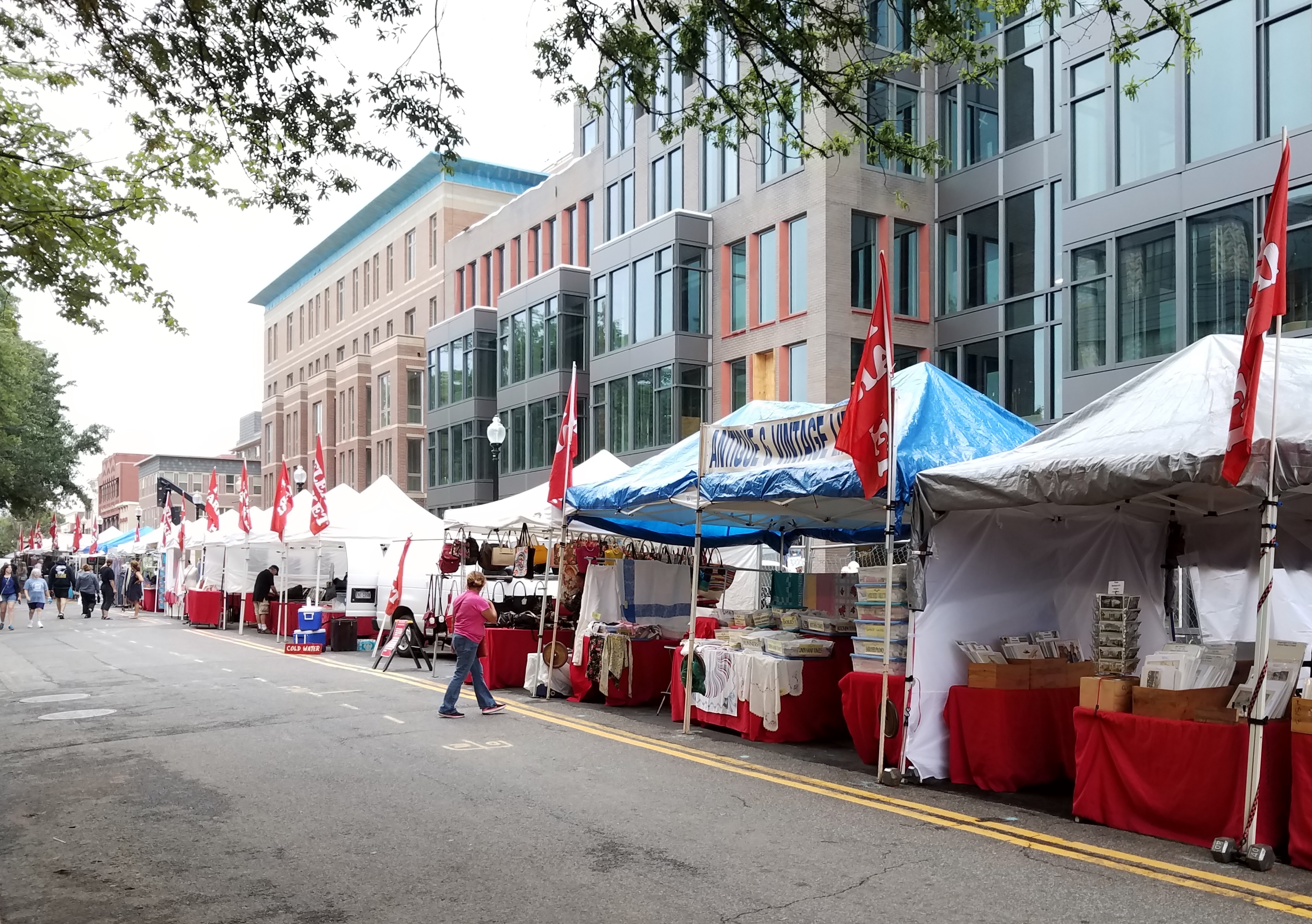
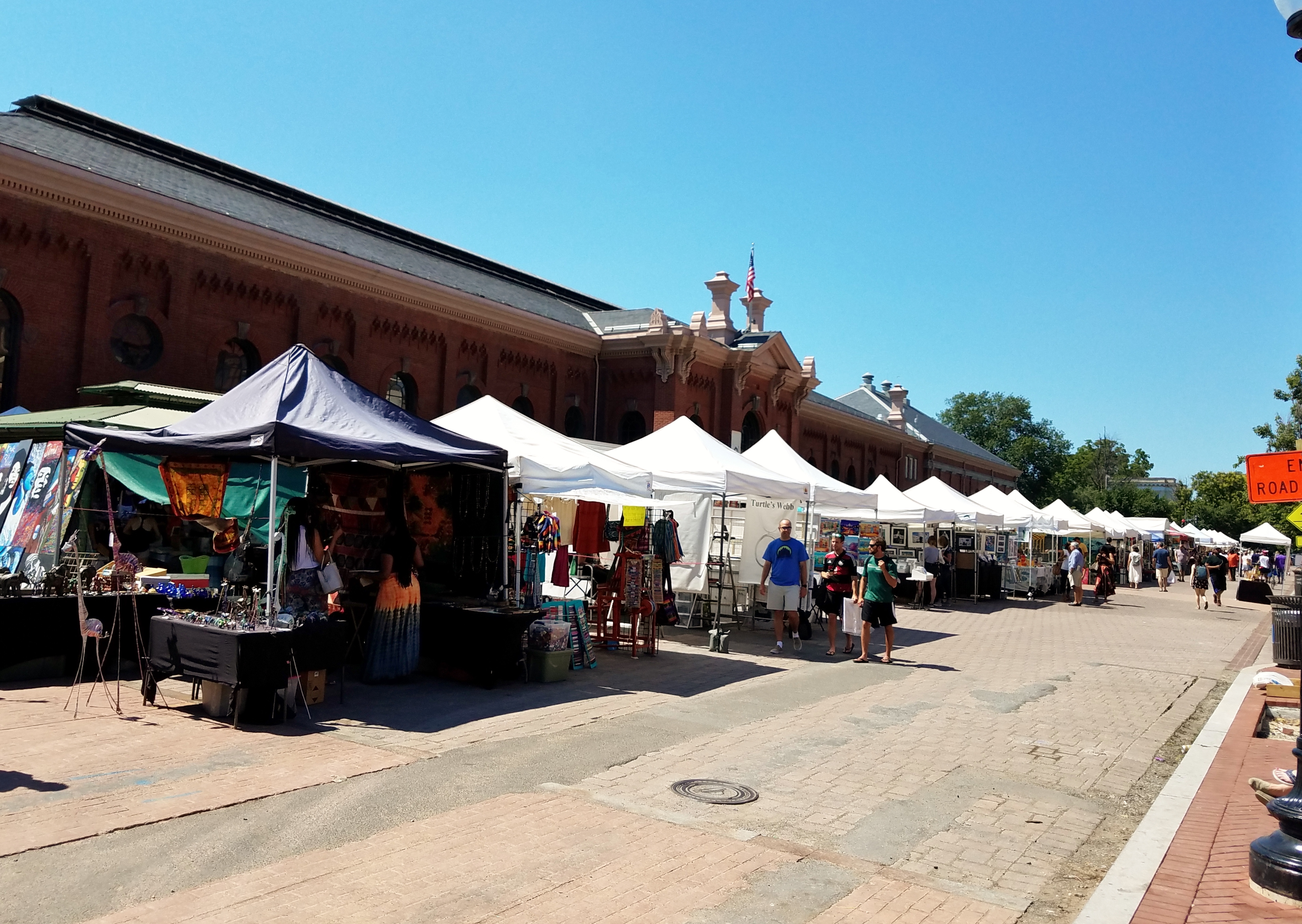
Eastern Market is more than the building. It comprises the original fresh food market in the South Hall; the event space in the North Hall; the Farmer’s Line under the shed on 7th Street; the arts and craft vendors on the north plaza, on 7th Street, and on the sidewalk next to the Market; and the prepared food vendors in front of the city swimming pool on North Carolina – The Rumsey Aquatic Center. In the collective mind of the community, it also includes the Saturday and Sunday flea markets on the 300 block of 7th Street, operated separately from the Market by Managers Carol Wright and Michael Berman who pay rent to the city which is goes to Eastern Market. All of these components provide the revenue stream which makes Eastern Market, owned by the city and managed by the Department of General Services, largely self-sustaining.
Achieving sustainability has meant changing the Market’s character to maximize income, as the market’s role as a food provider for the community has declined in the face of competition from other markets and as the changing demographics of the community and attitudes toward food preparation have changed. This change is reflected in the amounts of revenue derived from each component of the market.
Here’s how Eastern Market’s income breaks down for 2016 (DGS was shy about releasing Eastern Market’s annual expenditures):
Income Budget Actually received
South Hall Rent 237,006 226.993
Outside vendors and Farmer’s Line 319,879 319,752
North Hall 209,574 229,678
Application/Event Fees 2,489 2,800
Flea Markets – 48,000
ATM 70,348 66,479
Total Income 839,355 893,702
According to Market Manager Barry Margeson, the Market produced a small surplus of around $25,000 over operating costs in 2016. And, according to Margeson, the following rents applied in that year:
South Hall Merchants $26 – $40 per square foot annually
Farmer’s Line $28 – $44 per day
North Plaza Arts/Crafts $28 per day
7th Street Arts/Crafts $44 per day
Prepared Food Natatorium Plaza $35 per day
Flea Markets $2000 per month each
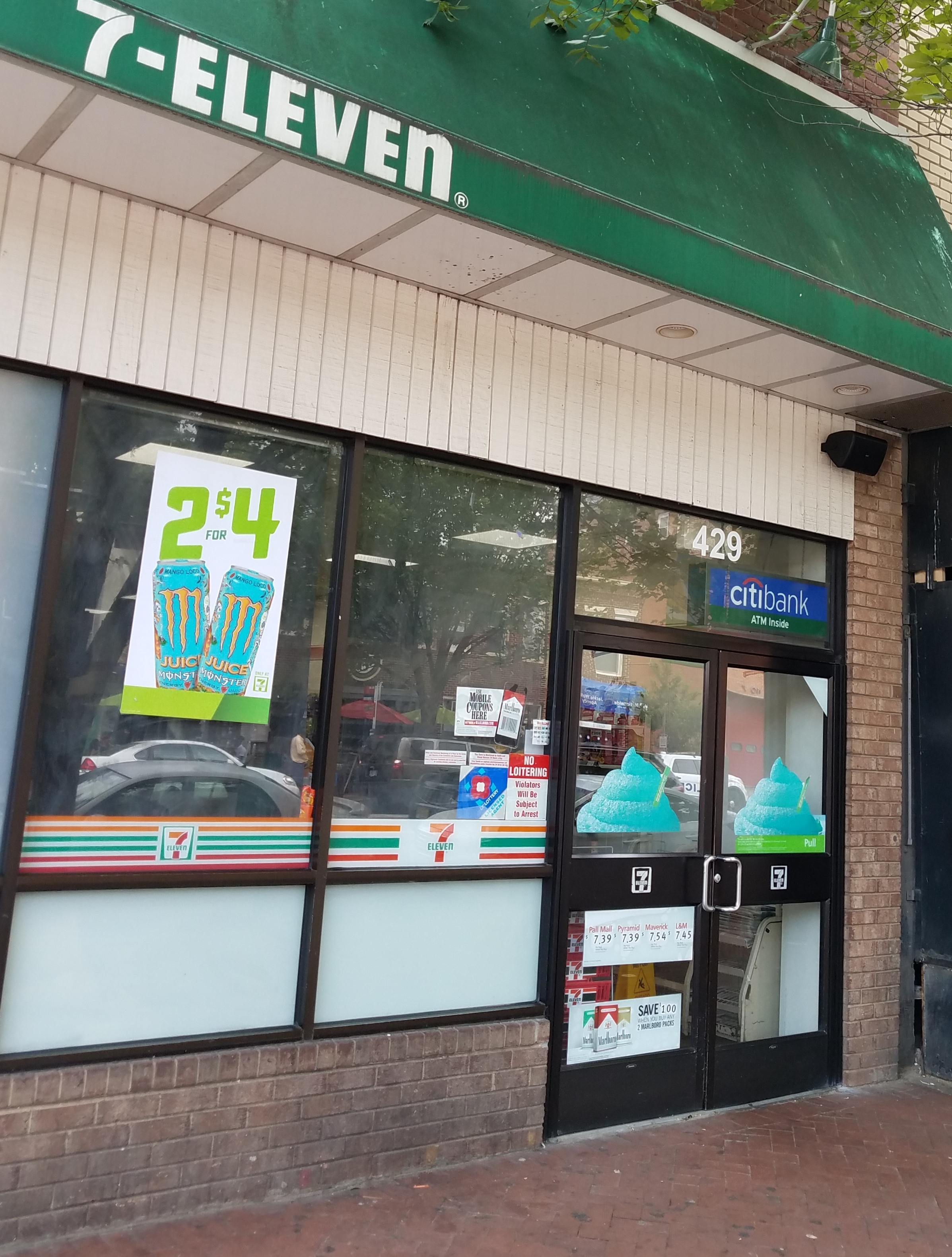
Some observations: The outside arts and crafts vendors, the prepared food vendors, and Farmer’s Line provide more revenue than any other component. Rentals of the North Hall provide almost as much revenue as the rents from the South Hall Merchants. The ATM provides a surprising amount of income for the market – almost 7% of total income. A close look seems to reveal that some of the South Hall food merchants were behind on their rent at the end of 2016.
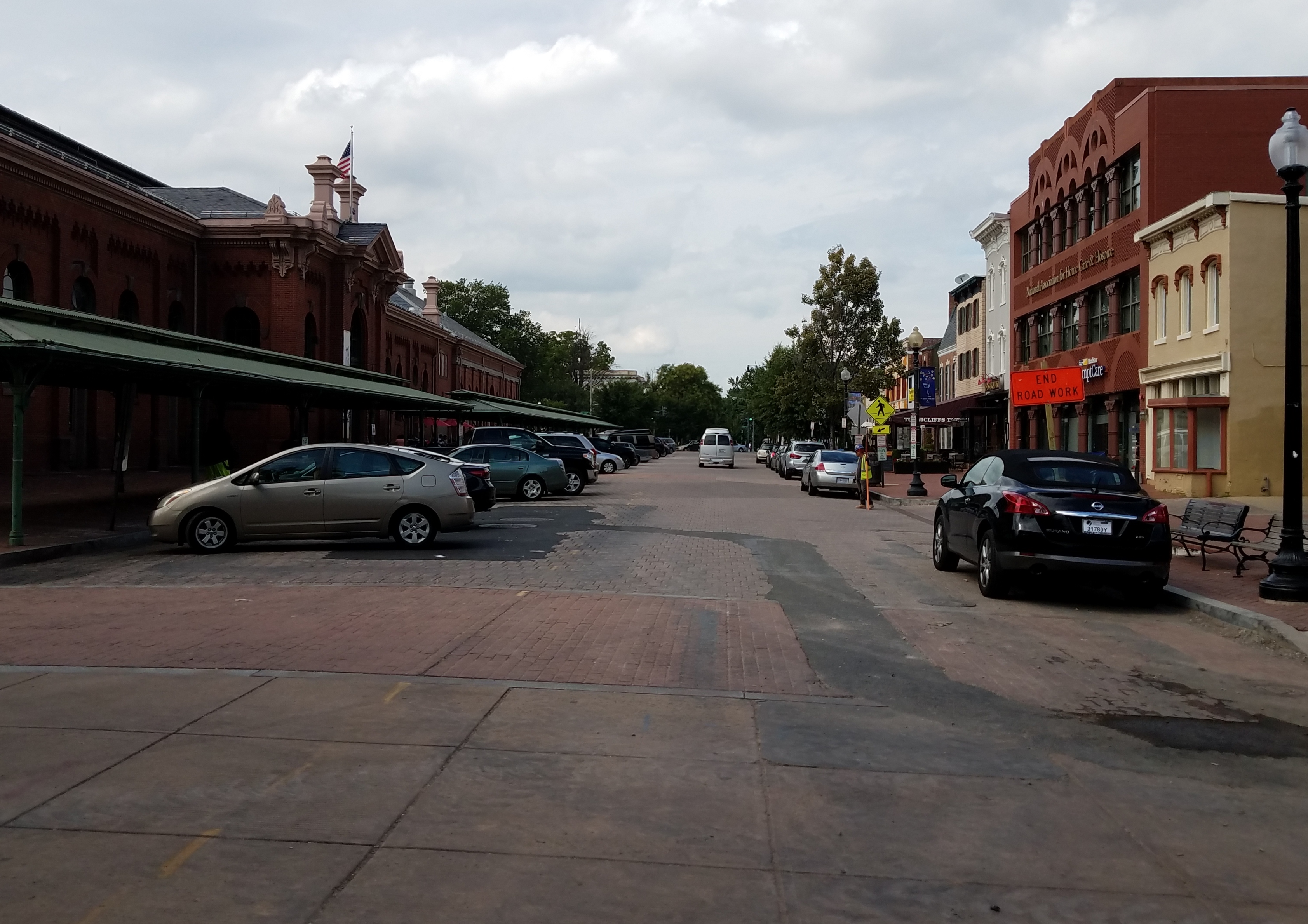
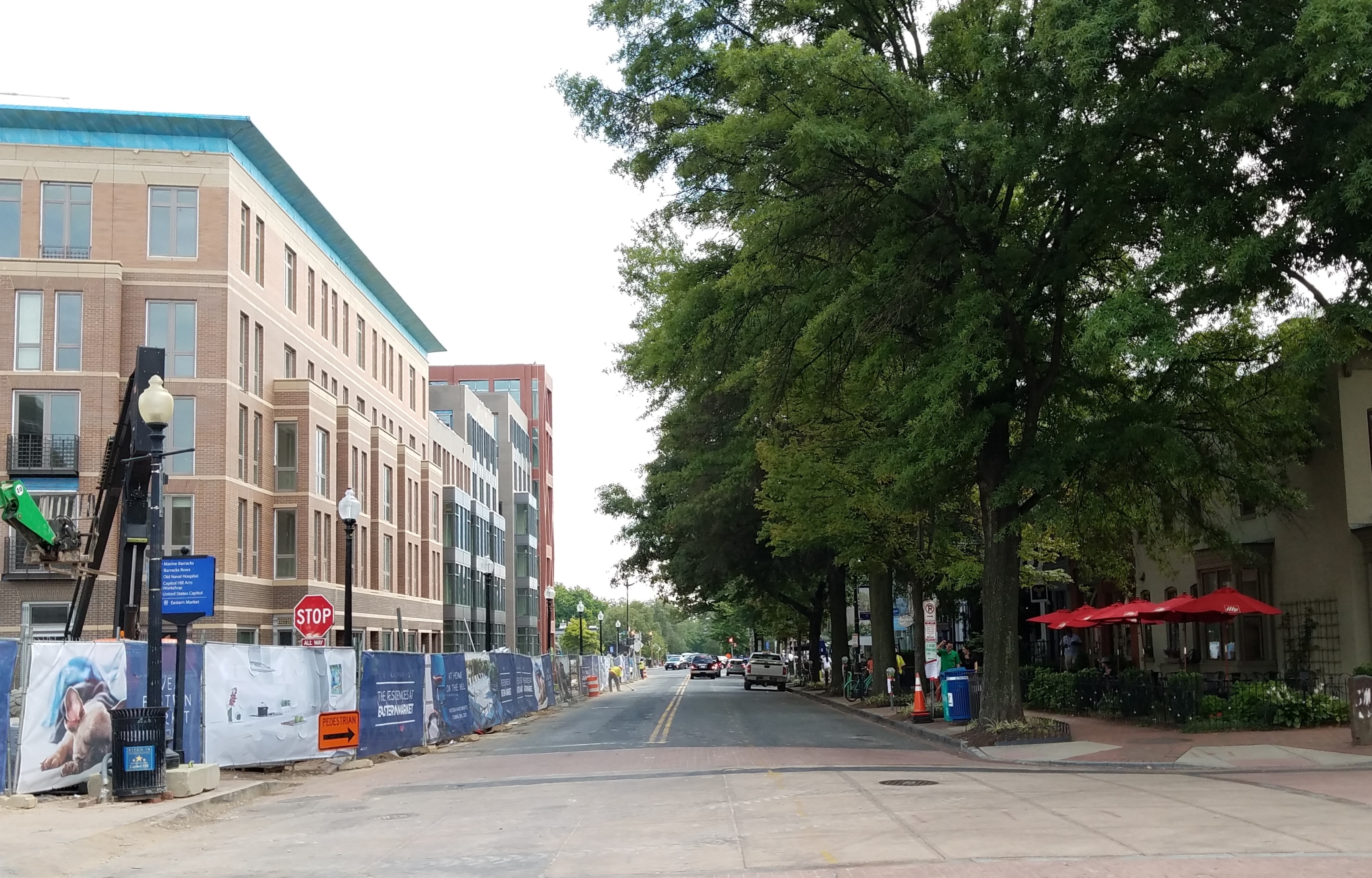
When the flea markets move to the newly reopened C Street between the North and South Hine Project buildings, in a month or so, that income will be lost to the Market because the new C Street will be private, and those monies will go to Stanton-Eastbanc. Mike Berman, manager of the Sunday flea market says he will be paying more to Stanton-Eastbanc than he is currently paying to Eastern Market, and will likely increase the cost of the spaces he leases to his vendors. One source claims that the Saturday and Sunday flea markets currently charge almost double what Eastern Market charges its arts and craft vendors who set up on the 200 block of 7th Street.
Eastern Market will have to make up the $24,000 shortfall in order to continue to be self-sustaining. There are two ways to do this, first, keep the 300 block of 7th Street closed to traffic and put out bids for flea market managers or other programmers to lease the space on weekends. Or Eastern Market could increase the rents for the other entities which comprise Eastern Market. Or both
To that end, DGS has commissioned an outside appraiser to determine the value of the spaces occupied by the South Hall Merchants, as well as the spaces on the 300 block of 7th Street. The appraisals are necessary to satisfy the statutory requirement that rents reflect fair market rents. Another appraisal of the value of the space around Eastern Market occupied by the various vendors, farmers, and prepared food outlets is in the works.
Eastern Market faces challenges in the face of increasing competition and will need additional funding beyond sustainability for marketing and promotion.
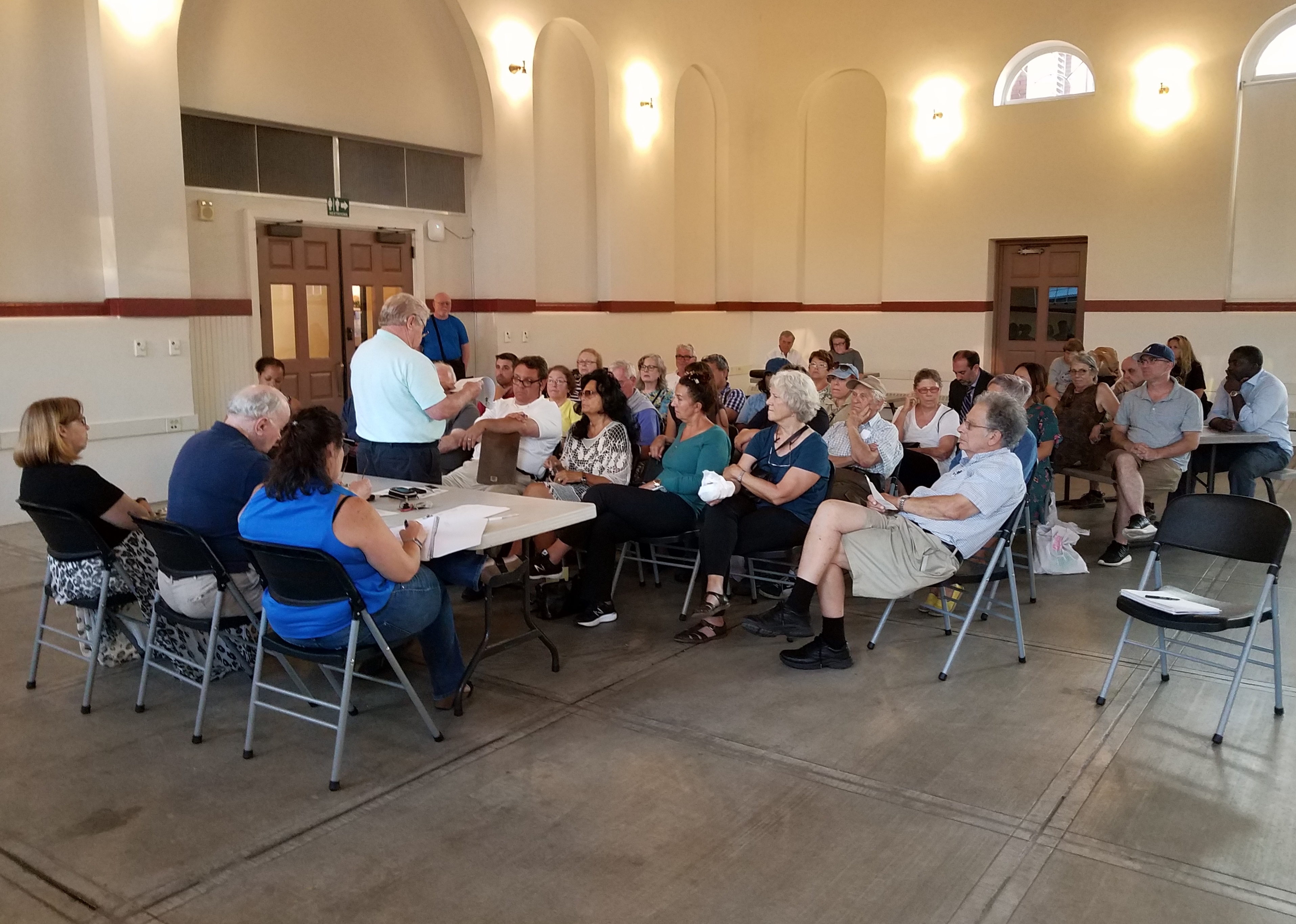
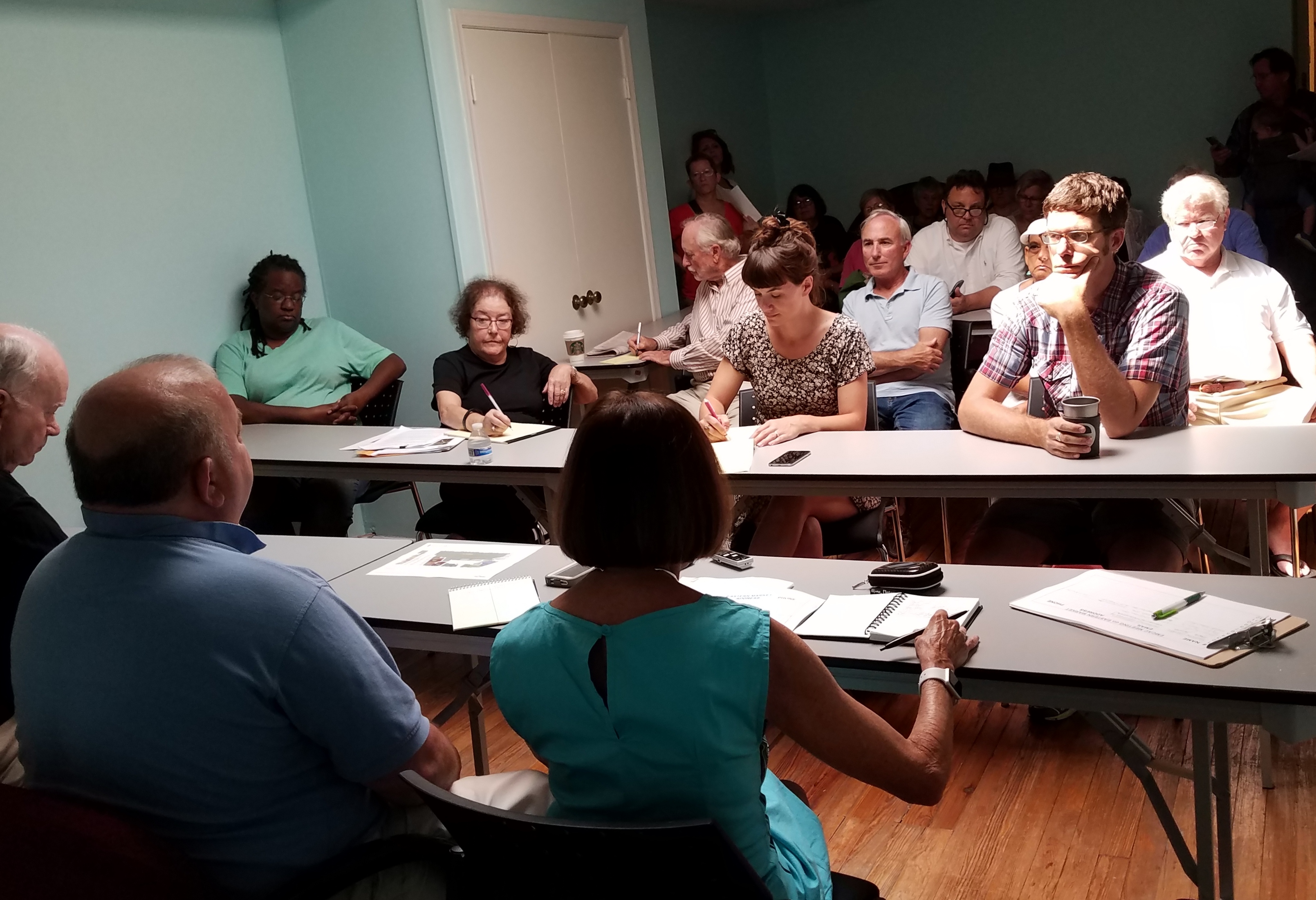
Eastern Market Community Advisory Committee (EMCAC) will hold a special meeting on Wednesday, September 6, at 7:00pm in the North Hall to make a recommendation on whether to continue closing the 200 and 300 block of 7th Street to traffic on weekends. It is likely that EMCAC will consider matters related to the appraisal of the space in the South Hall at its regular monthly meeting on September 19 at 7:00pm in the North Hall of Eastern Market.
 CAPITOL HILL CORNER