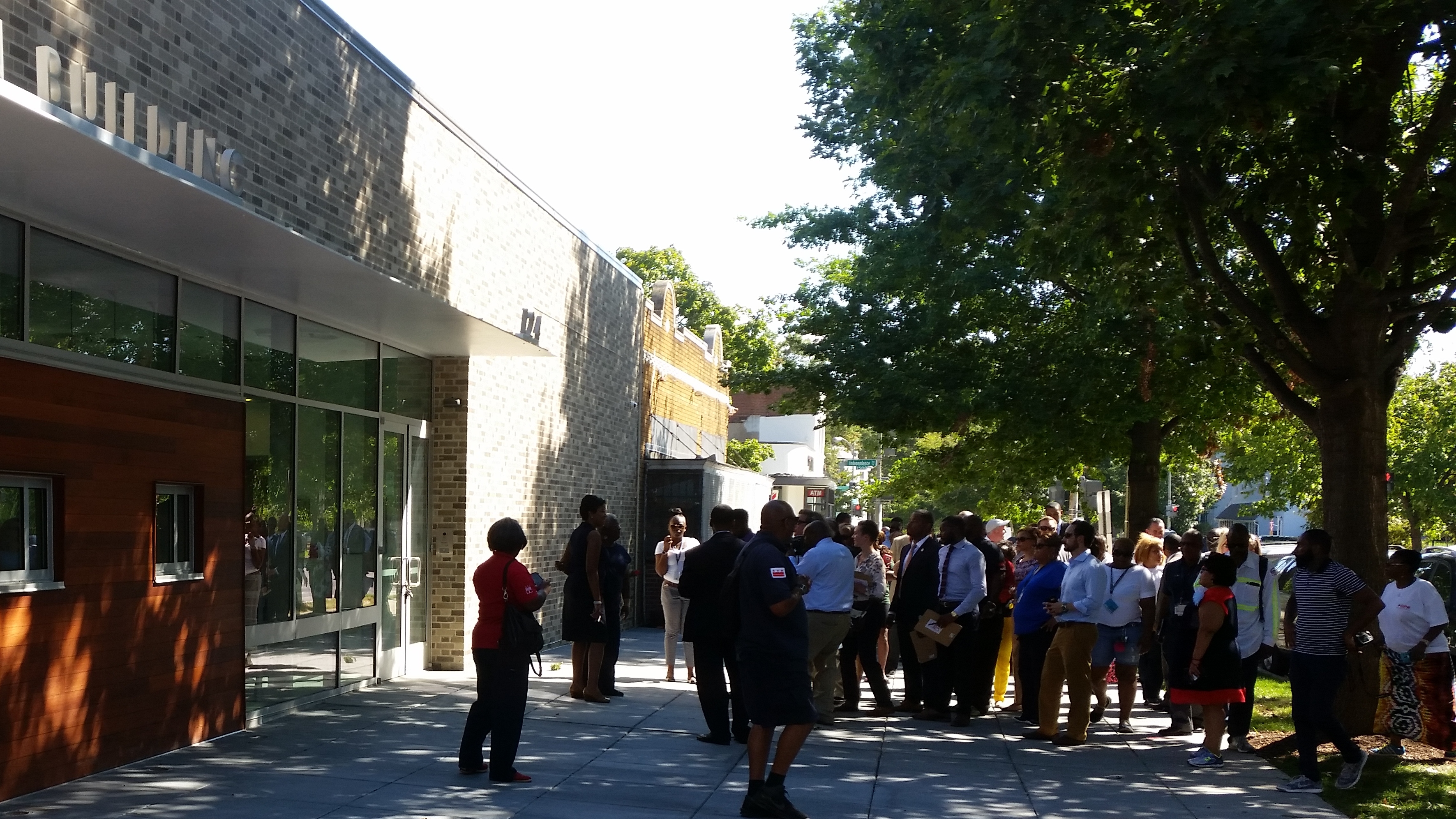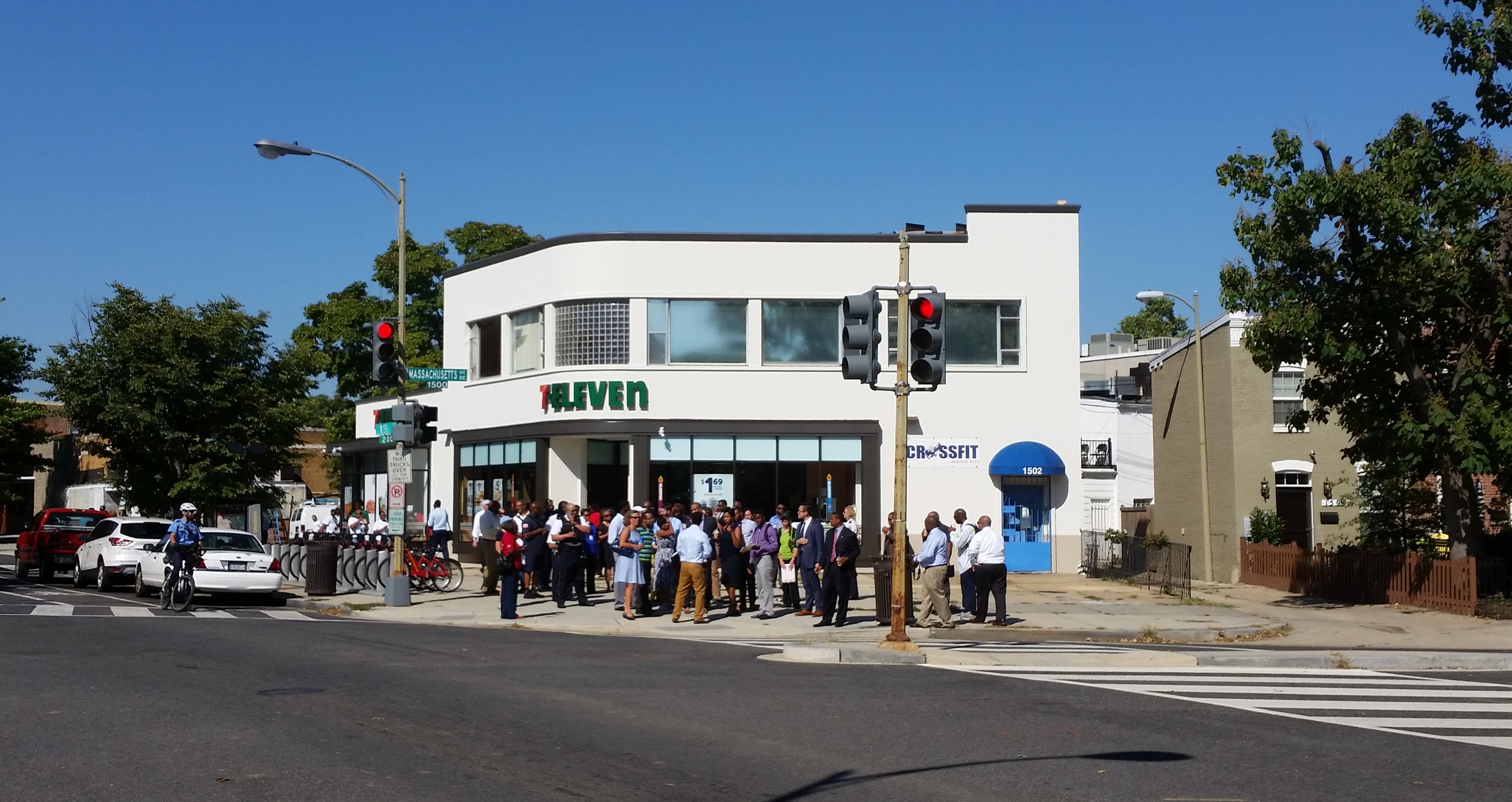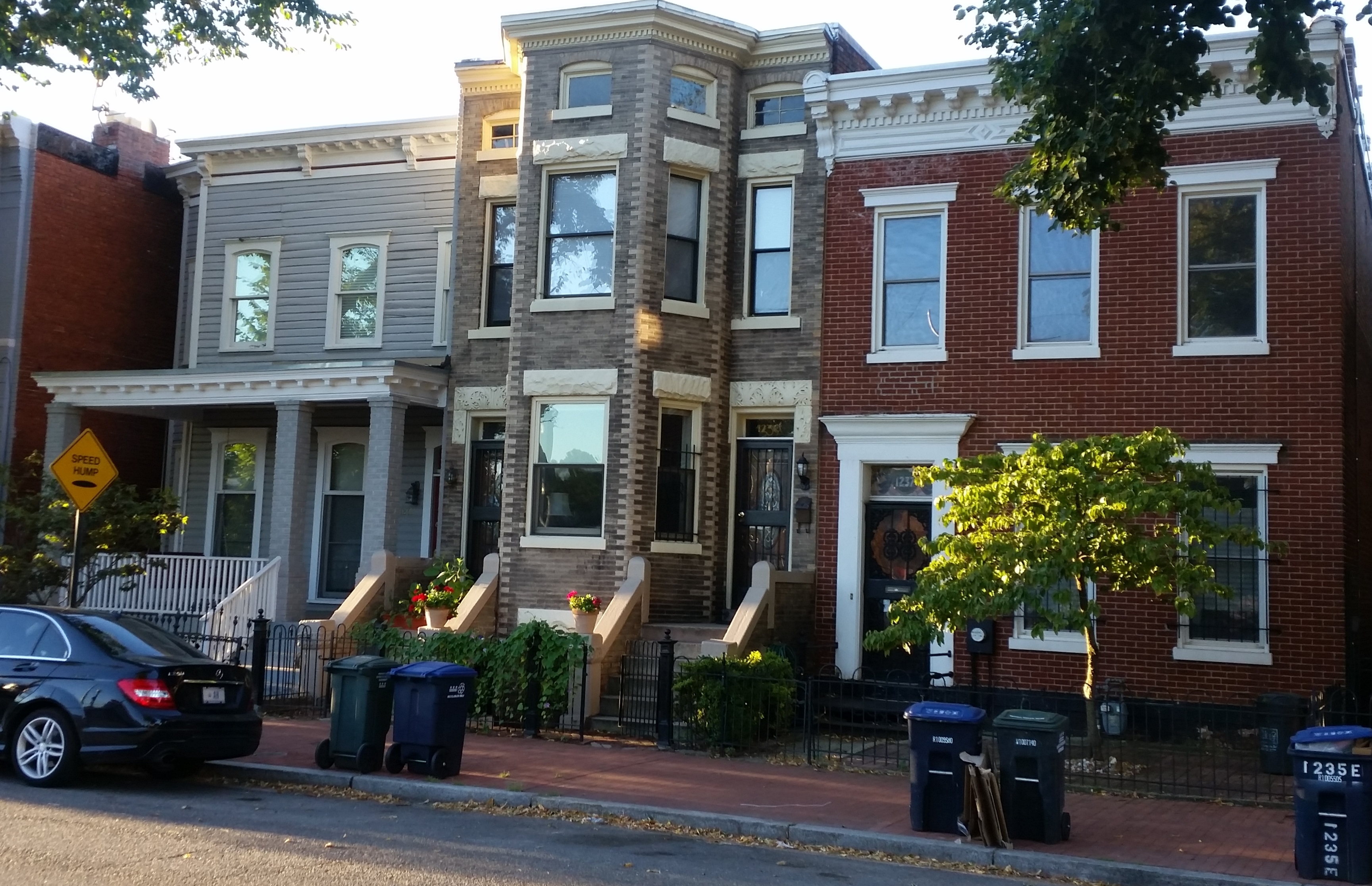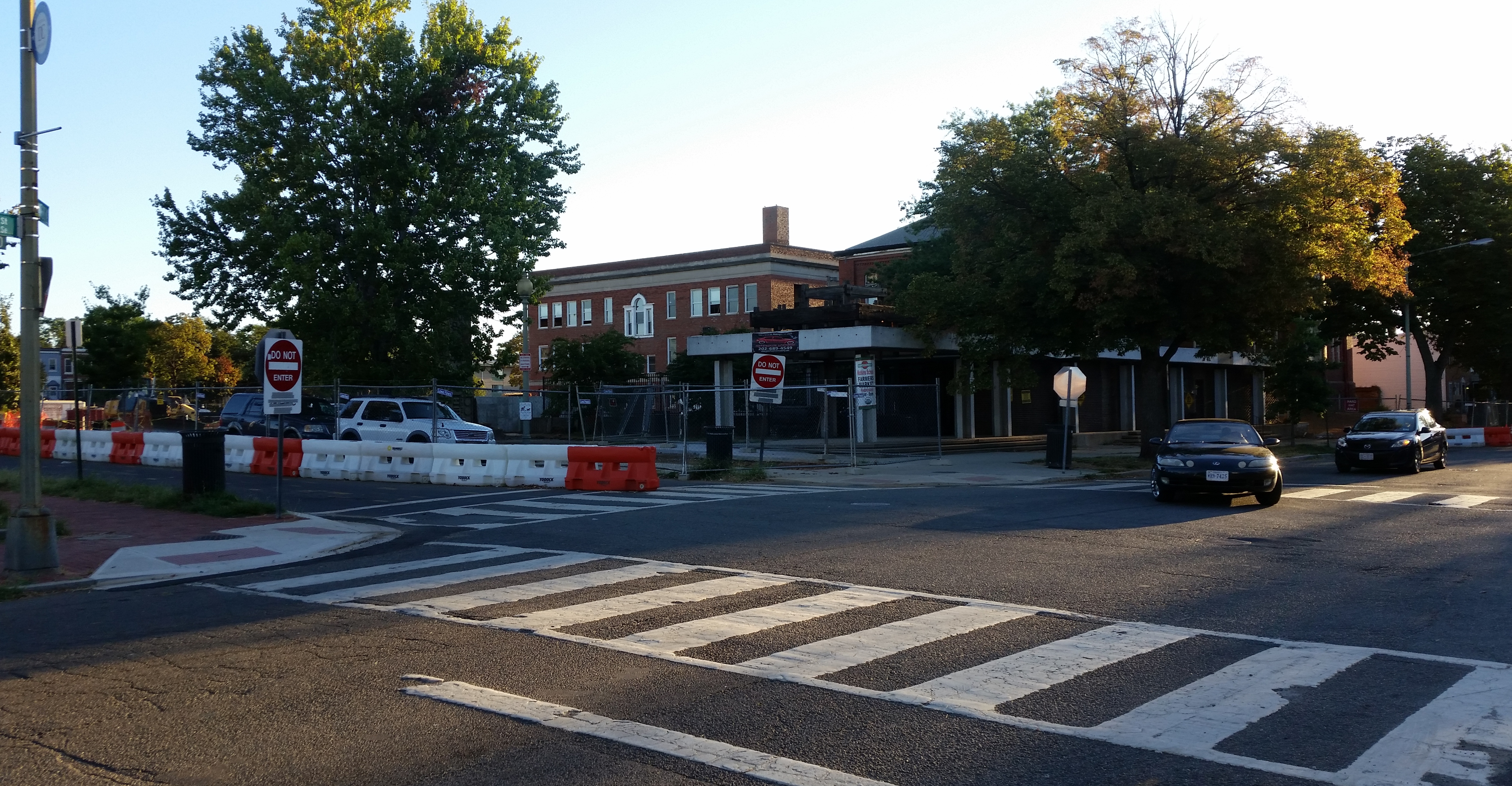
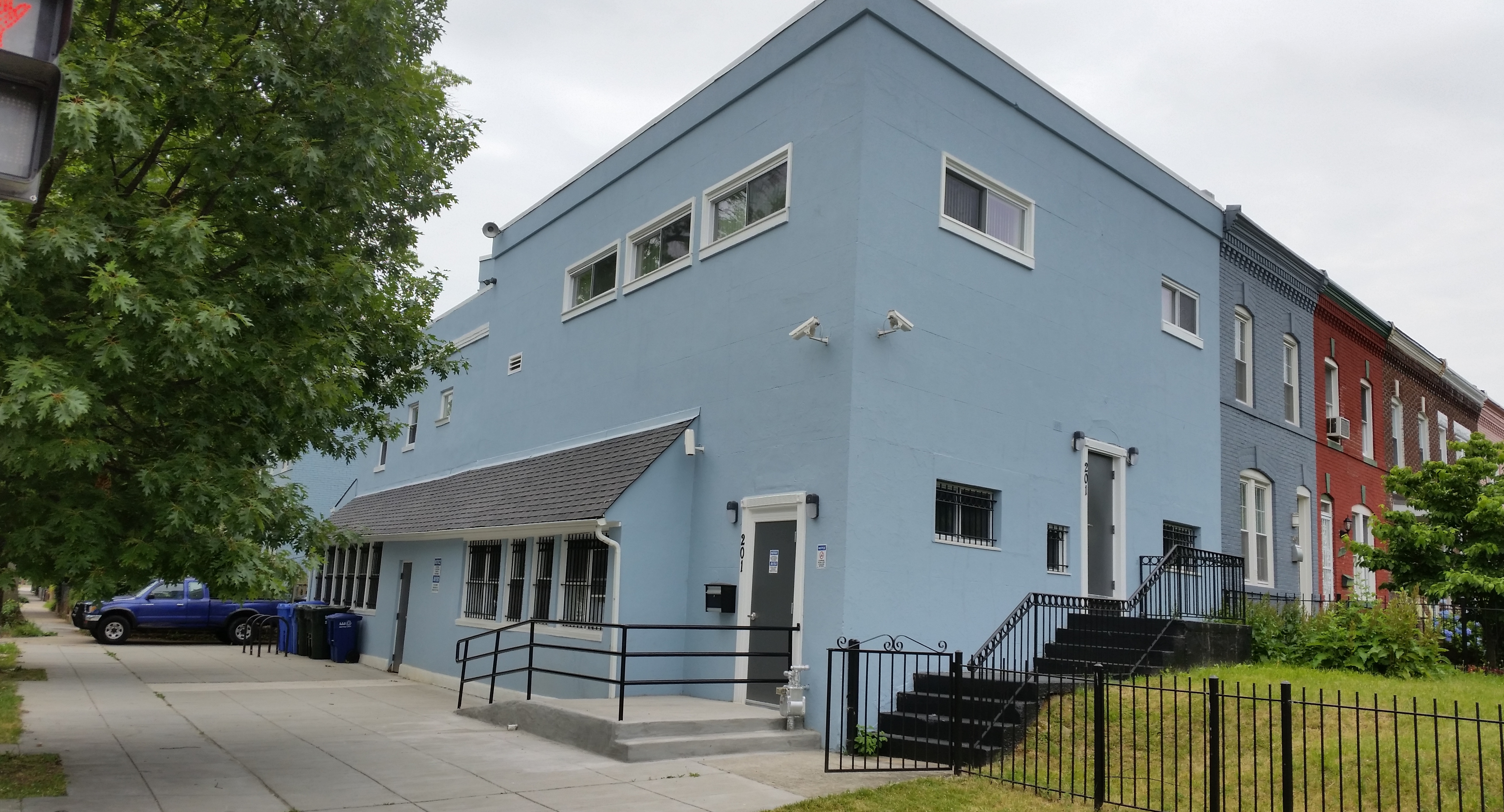
Andromeda Mental Health and Substance Abuse Recovery Facility at 15th and Massachusetts Avenue, SE
City Agency Oks Concentration of Substance Abuse Recovery Facilities in Hill East
by Larry Janezich
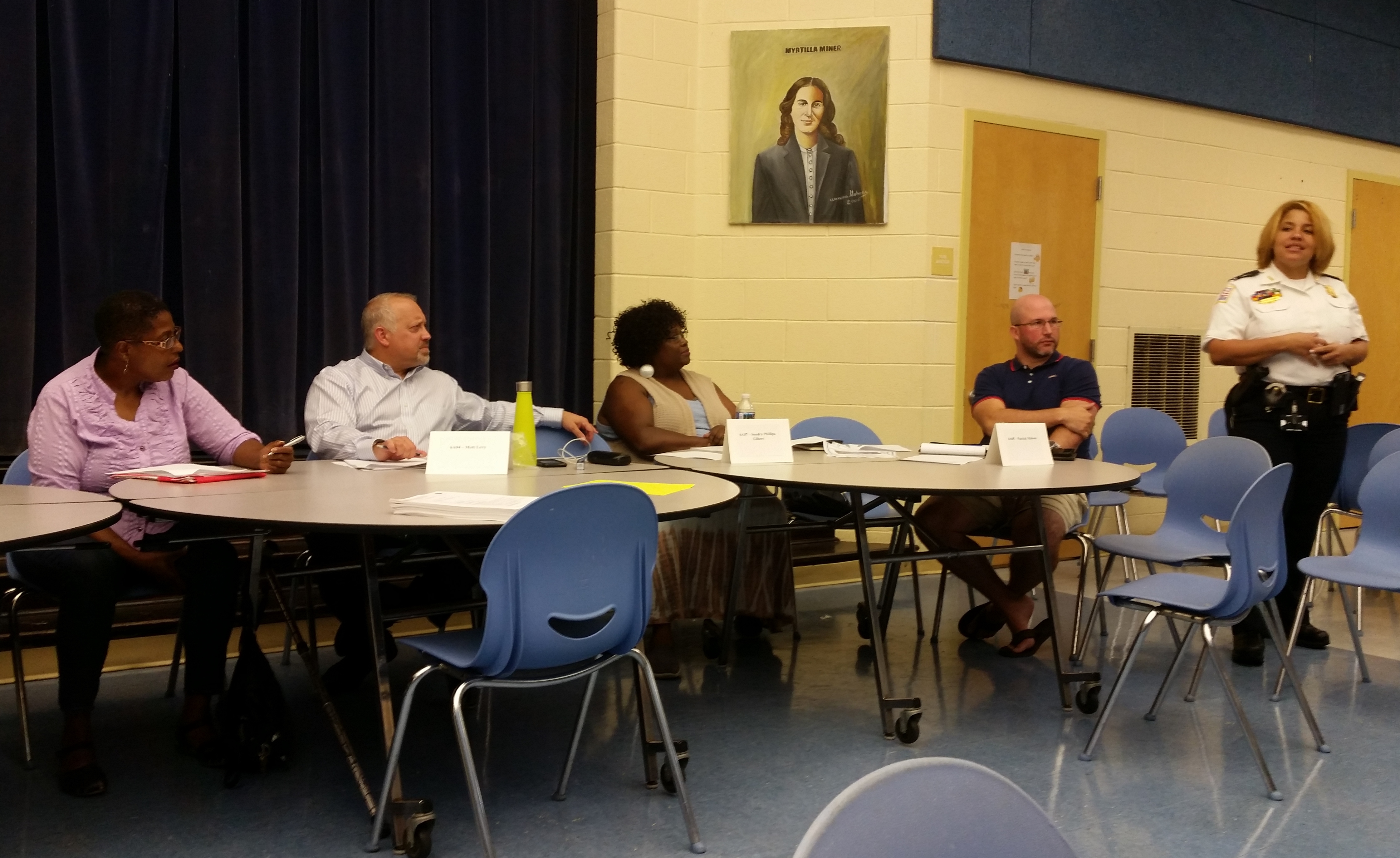
On Tuesday, the Board of Zoning Adjustment denied ANC6B’s appeal of the city’s sanctioning of a Hill East substance abuse recovery facility located 400 feet from another larger facility (CAG) which will provide the same services in the coming weeks. Both are located in Hill East on the 15th Street commercial corridor, surrounded by a residential neighborhood, with a 24/7 7-Eleven convenience store and a liquor store between them.
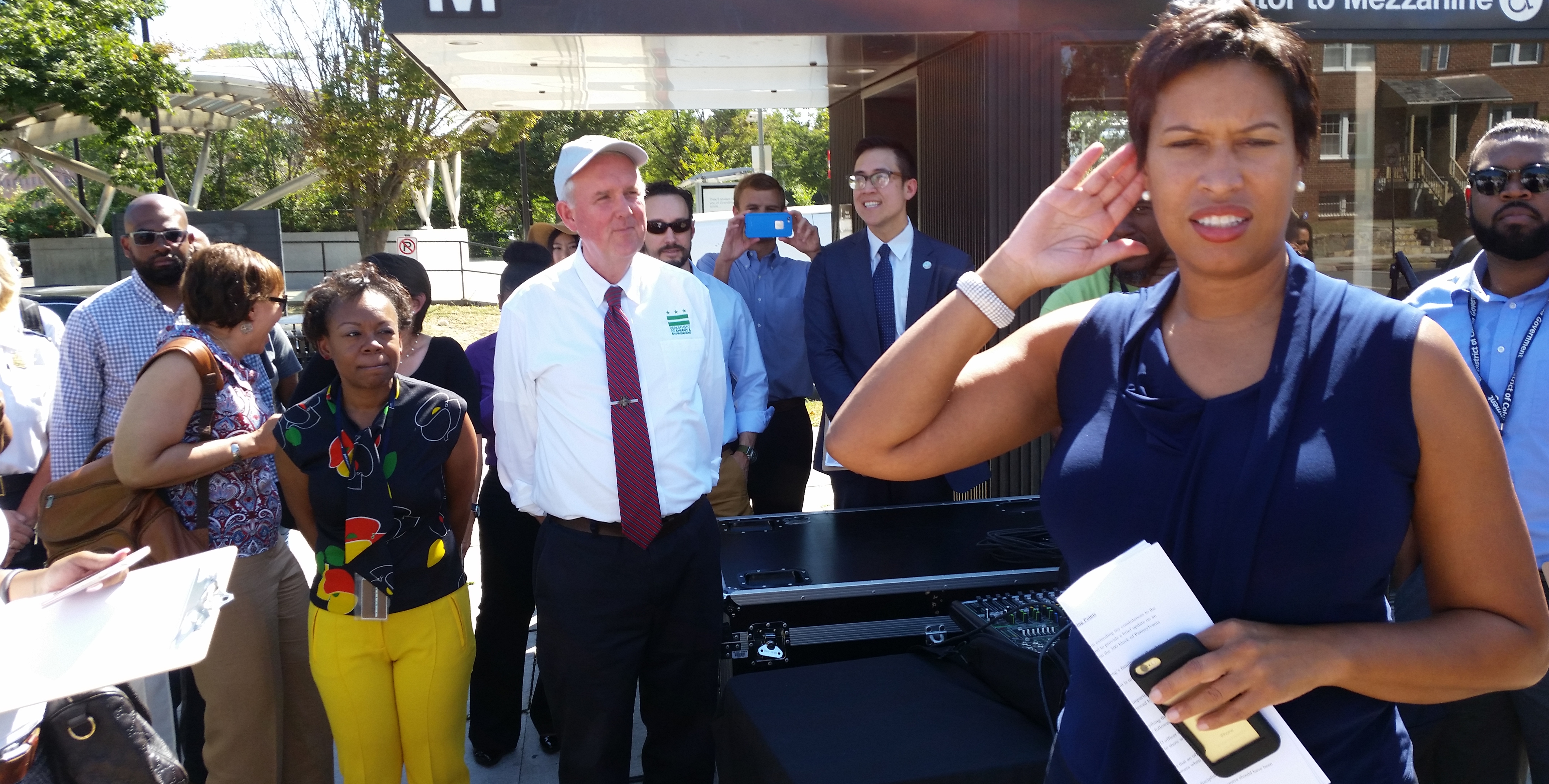
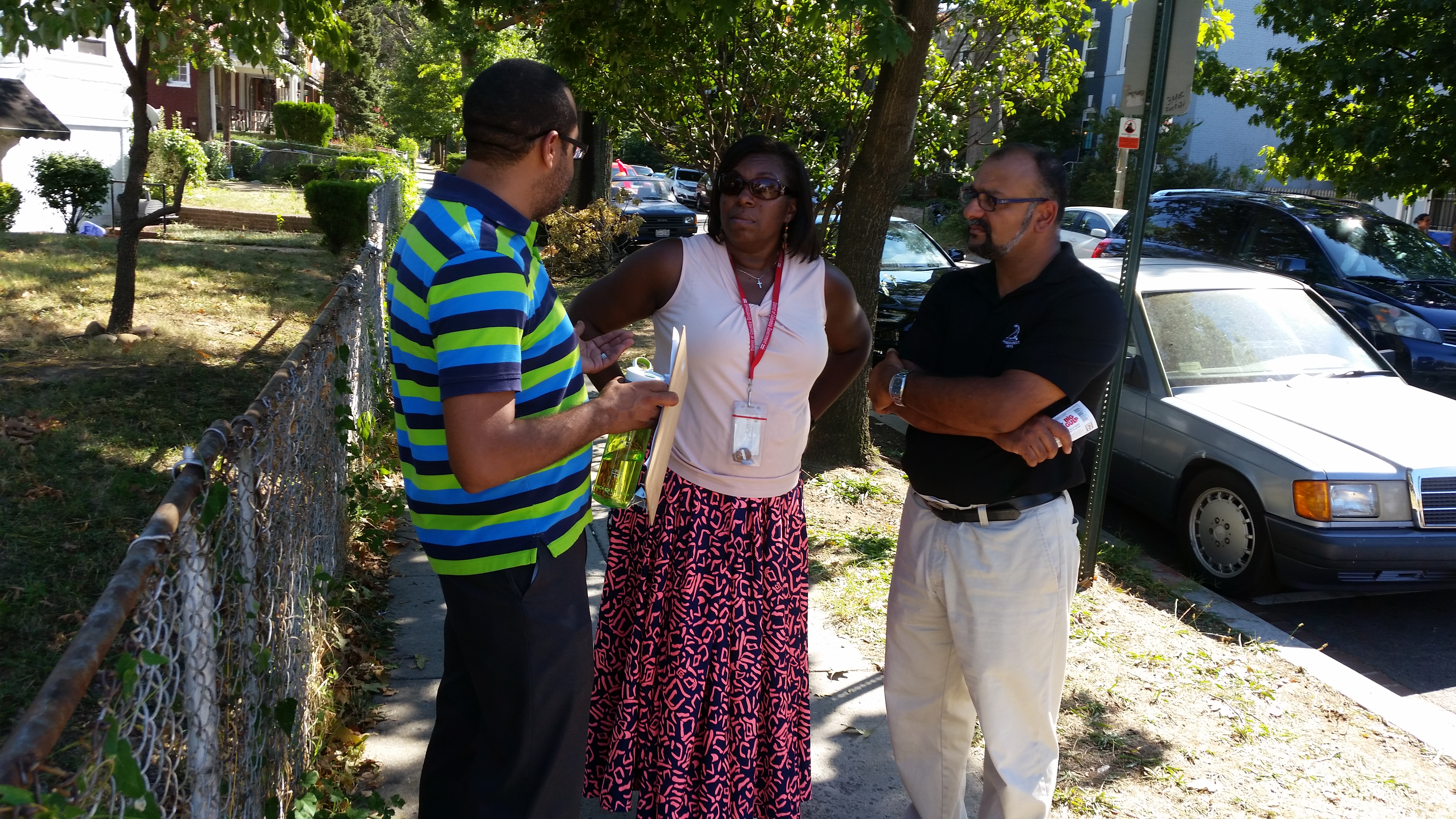
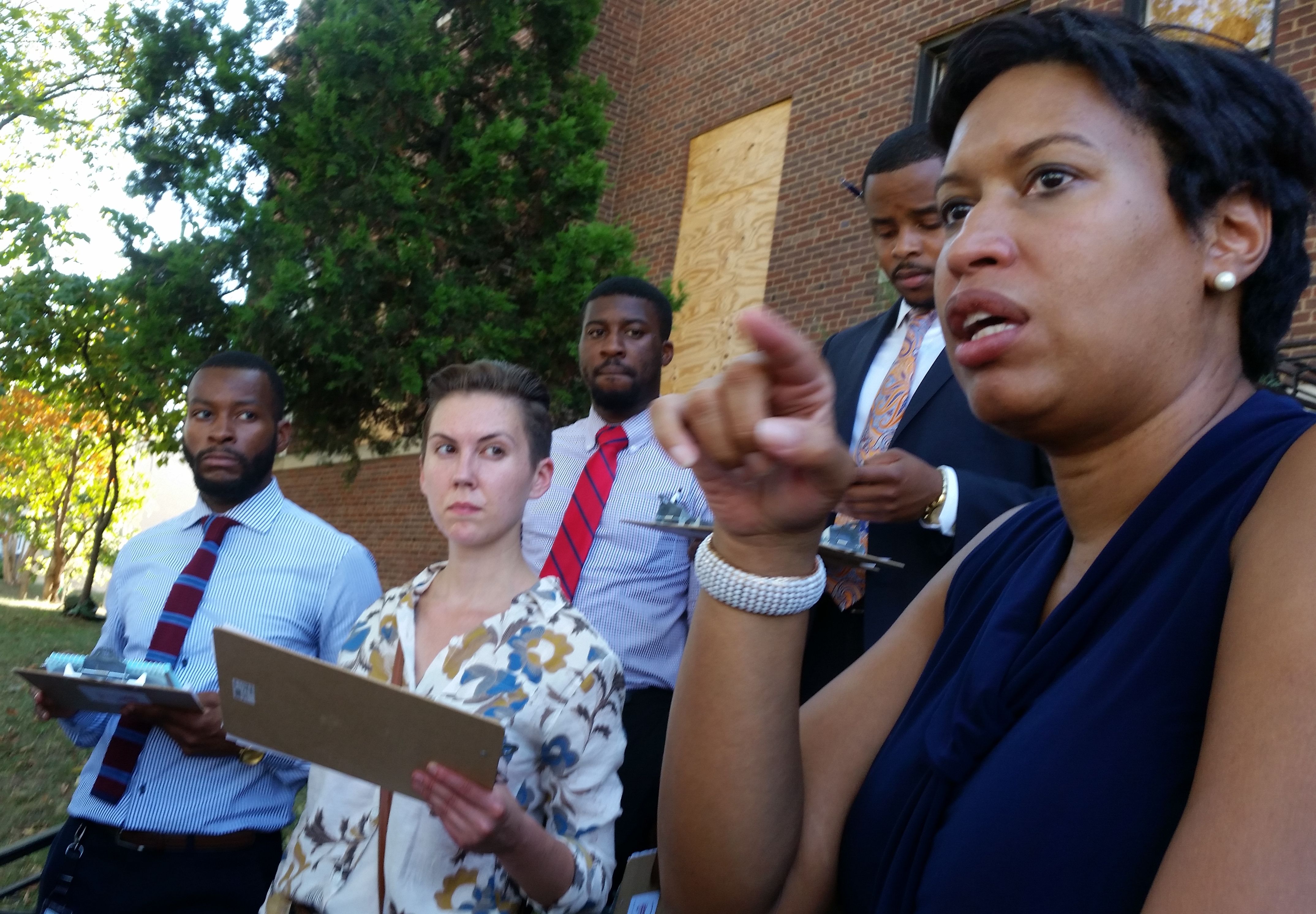
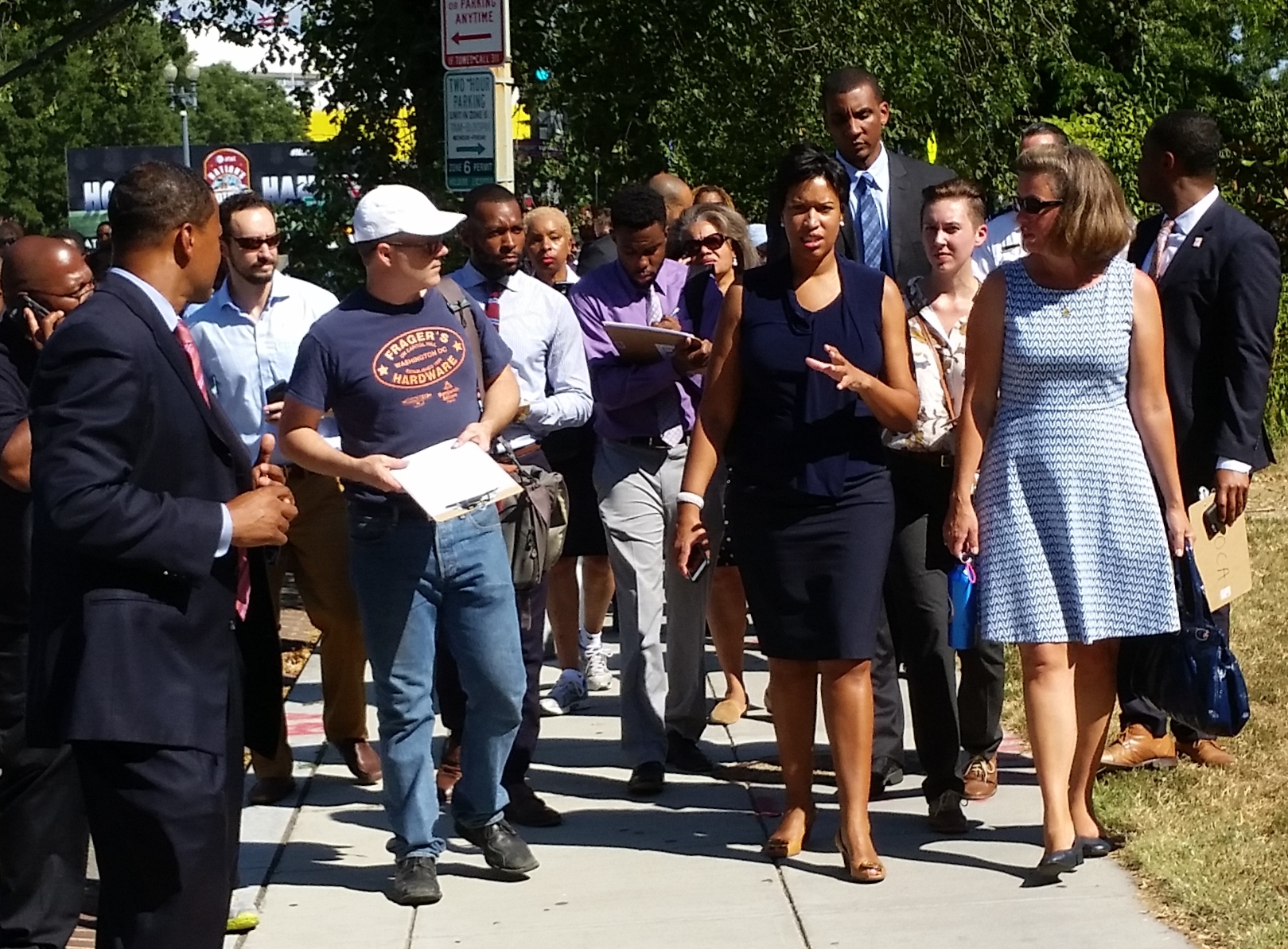
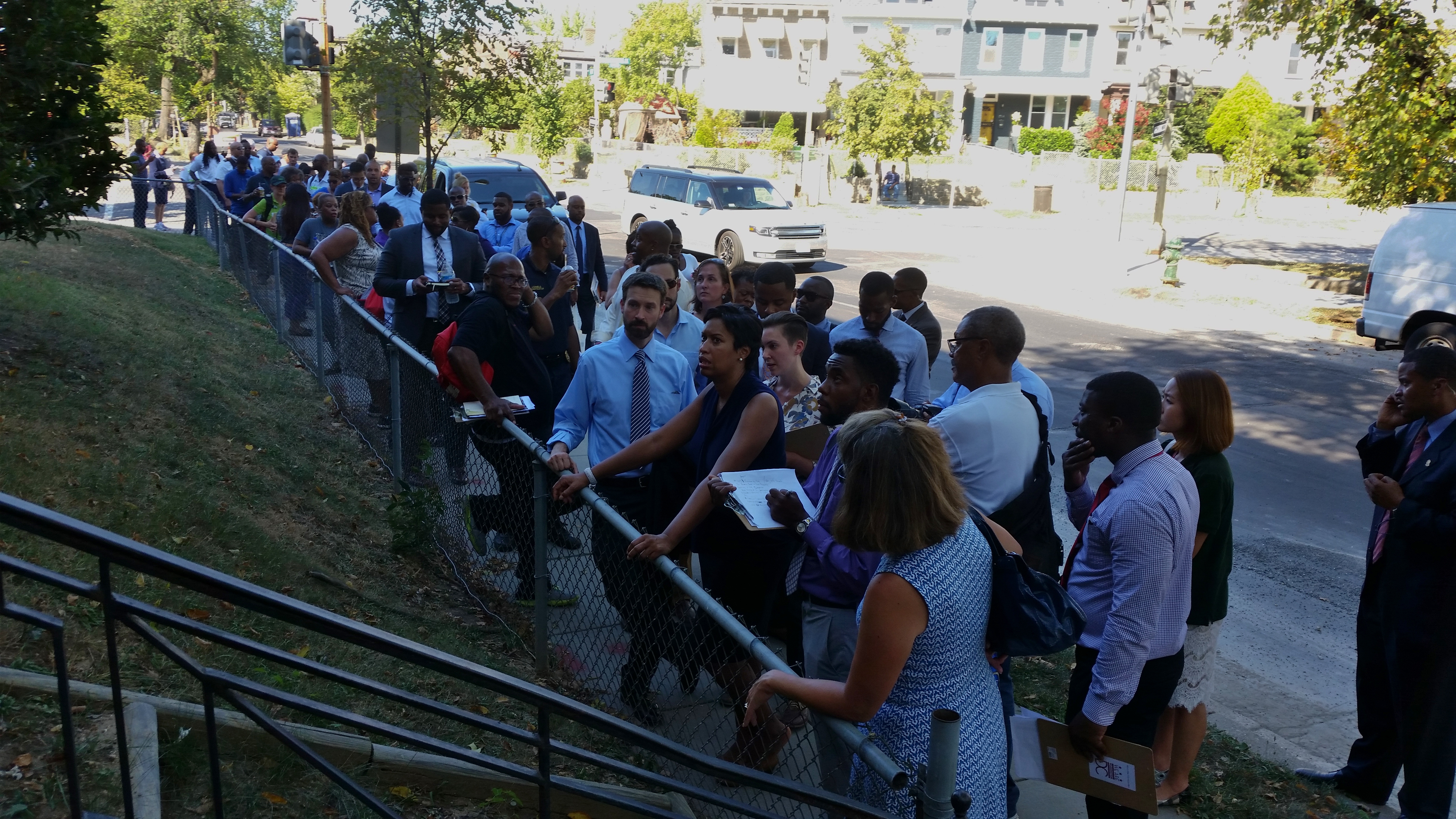
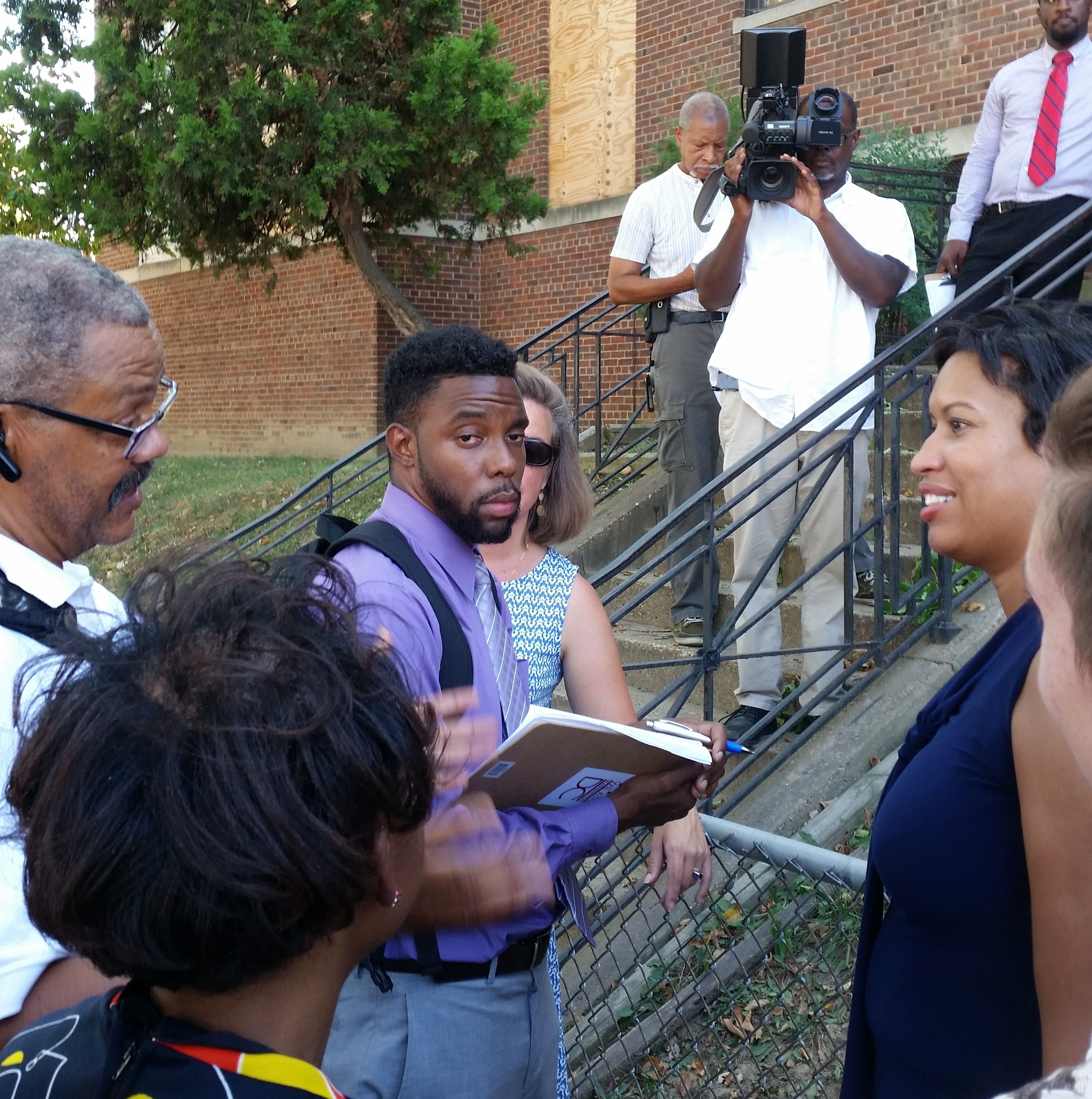
The question of concentration as such was not before the BZA. Mayor Bowser told ANC Commissioner Chander Jayaraman during her walk in Hill East last week, that it is not within the city’s capacity to approve or deny a certificate of occupancy to any business that meets the “internal requirements.” The issue before the BZA was a technicality over whether the Andromeda Recovery Center should be defined as an “office” or a “medical office” – the straw the ANC had grasped at to challenge the planting of the Andromeda treatment center in Hill East. (It didn’t really matter – Andromeda could have opened up as a matter of right under either definition but would have had another bureaucratic hurdle if defined as a medical office.)
The appeal was denied by a vote of 4 – 1.
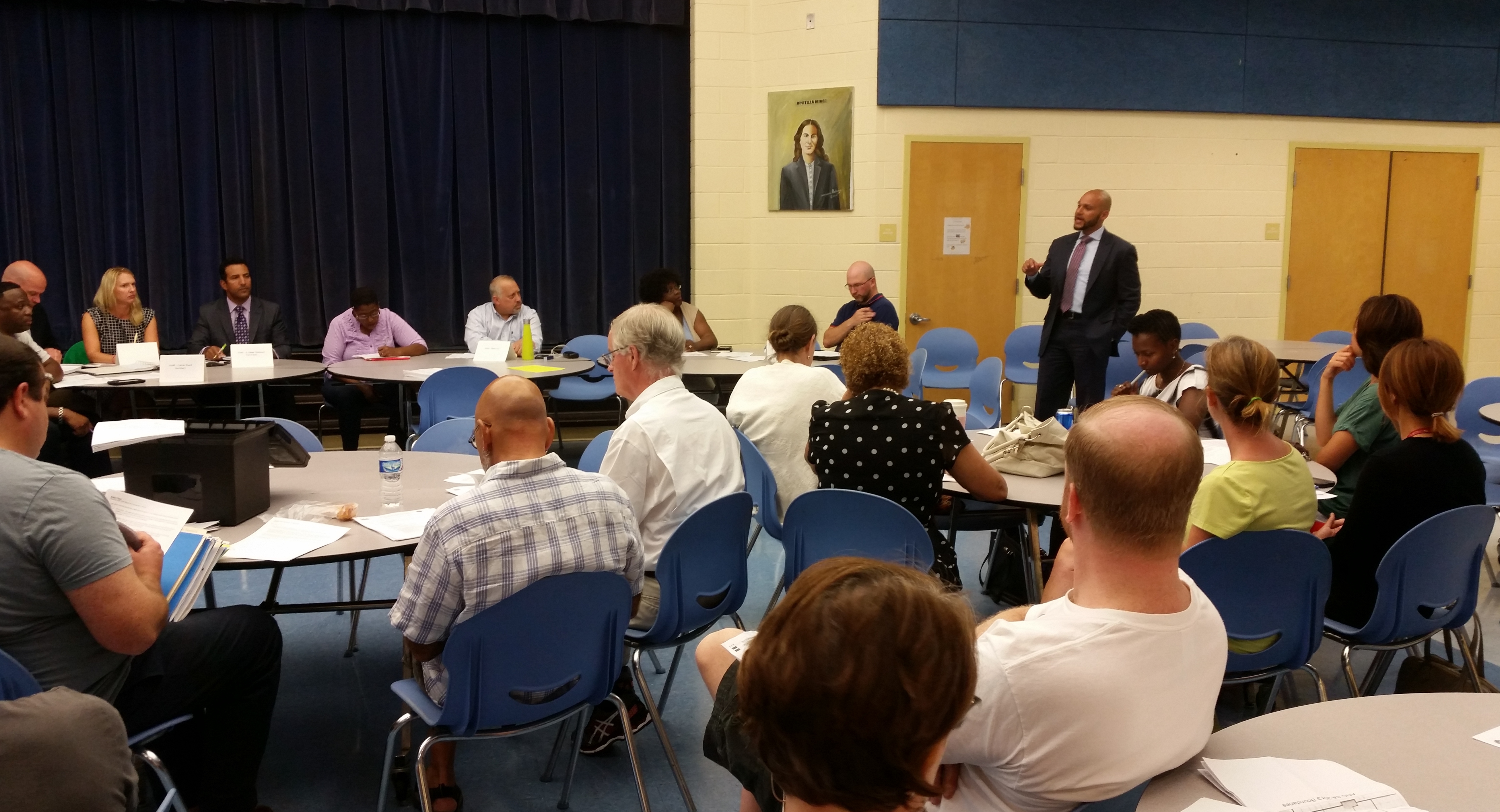
Zoning Commission Chair Anthony Hood – who also chairs the DC Zoning Commission – said he thought the ANC had a valid point, and the regulations should be clarified. He said would take the matter back to the Zoning Commission and speculated on the need for more specific language in the regulations, and said, “We’ll see where we go.”
What Chairman Hood should take back to the Commission is the question of what changes in the Zoning Code are necessary to address the concentration of substance abuse facilities in residential neighborhoods and what can the Zoning Commission do to assure that community responsibility of hosting substance abuse recovery facilities is shared equally throughout the city. That’s unlikely to happen.
For their part, health providers who receive city and federal funds for providing mental health and substance abuse recovery programs locate where their clients are or where their clients can get to easily on public transportation. According to Ms. Phyllis Jones, Chief of Staff of DC Behavioral Health, much of the justification presented for establishment of a treatment center in a community is “people have a right to be treated where they want to be treated.” The Hill East Andromeda center serves clients from Wards 6, 7, and 8, who previously had to travel to Andromeda facilities on 14th Street, NW; one third of Andromeda’s clients reside in those three wards.
Mayor Bowser has said she will ask the Department of Behavioral Health to work with the community to achieve a written community agreement with two Hill East substance abuse treatment facilities – CAG and Andromeda – regarding community concerns. (See here: http://bit.ly/2cES19Z
The appeal was shepherded through the bureaucratic appeal process by ANC6B Commissioner Chander Jayaraman, who maintained throughout that the issue is not the facility itself – despite the unhappiness of the residential neighbors in immediate proximity – but the close proximity to another substance abuse facility offering similar services.
Asked for comment, Jayaraman said, “The Board of Zoning Adjustment (BZA) voted to deny ANC 6B’s Appeal…I believe that they were swayed by the existing regulations that a clinic or a medical facility is allowed by right in a C-2-A zone as well as testimony from the applicant stating the limited size of their operations (limited to 20 clients) at the 201 15th Street and the low level services they would offer including “wrap-around” services.
However, the BZA did recognize ANC 6B’s contention that a Substance Use Disorder (SUD) Treatment Facility more closely aligns under a “Medical” use category as opposed to “Office-General.” … While I am not satisfied with the outcome of the decision, I was pleased that the Chair intends to bring this issue before the Zoning Commission and to seek a way to address the lack of clarity in both the 1958 Zoning Regulations and the current Zoning Regulation-16. On a broader policy level, I intend to testify before the City Council to advocate for the addition of legislative language that requires the DC Department of Behavioral Health (DBH) to notify and request the opinion of the ANC at the time of application by SUD providers.”
ANC6B will have four substance abuse/mental health recovery facilities – two located at the intersection of 8th and Pennsylvania Avenue, SE, and the two in Hill East. One of the Hill East facilities – CAG, near the intersection of 15th and Independence, currently resides at 13th and Pennsylvania, but will relocate to the new location in the coming weeks.
For previous posts on the Andromeda facility, see here: http://bit.ly/2a3jPUq