Category Archives: Uncategorized

The Week Ahead…..The ANCs Start Gearing Up

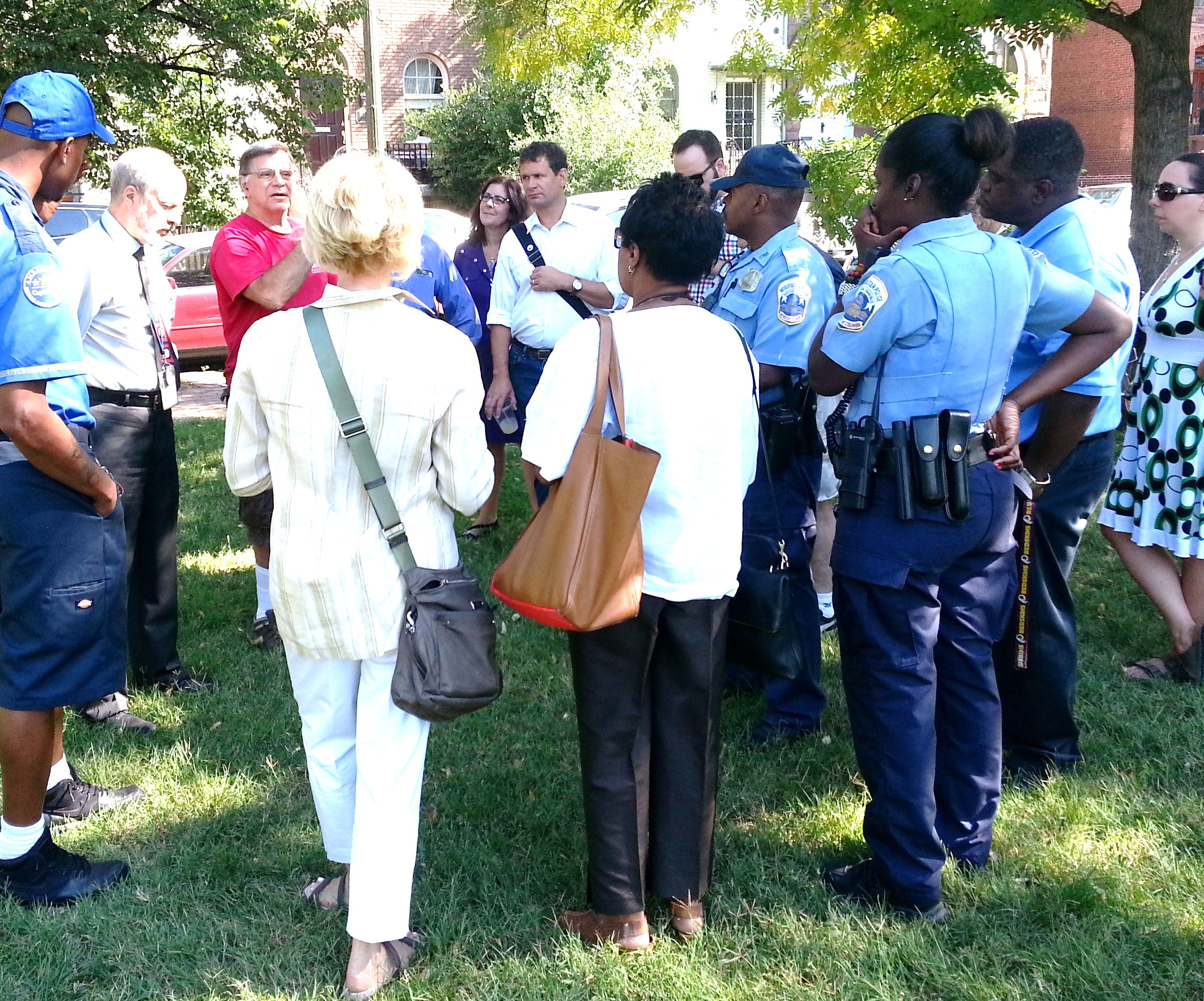
Last Tuesday, representatives of CM Wells, Mayor Gray, ANC6B, MPD, Capitol Hill BID, Community Connections, and EMMCA held an informal meeting in NE Eastern Market Metro Plaza to address ongoing concerns about use of the park.

Last Tuesday, representatives of CM Wells, Mayor Gray, ANC6B, MPD, Capitol Hill BID, Community Connections, and EMMCA held an informal meeting in NE Eastern Market Metro Plaza to address ongoing concerns about use of the park.

The Week Ahead…..The ANCs Start Gearing Up

by Larry Janezich

Tuesday, September 2

ANC6B Planning and Zoning Committee meets at 7:00pm at St. Coletta of Greater Washington.

Among items on the agenda:

Unenclosed sidewalk café for District Doughnut Café at 749 8th Street, SE.

Historic preservation application for a two story rear addition to a proposed restaurant at 317 7th Street, SE

Historic preservation application for new Madison Investments condo project at 900 11th Street, SE.

Informational presentation on historic preservation application for 816 Potomac Avenue, SE.

Wednesday, September 3

ANC6B Transportation Committee meets at 7:00pm in Hill Center.

Among items on the agenda:

Review of proposed rule on Visitor Parking Pass program.

Discussion of Office of Planning’s Southeast Boulevard Neighborhood Planning Study

Wednesday, September 3

ANC6C Planning, Zoning, and Environment Committee meets at 7:00pm at Kaiser Permanente Capitol Hill Medical Center, 700 Second Street NE

Agenda unavailable at press time.

Thursday, September 4

ANC6B ABC Committee meets at 7:00pm in Hill Center.

Items on the agenda include:

Exception to single sales restrictions for DCanter, 545 8th Street, SE.

Letter to Alcohol Beverage Control Board regarding the substantial change process (construction of a retracting roof over the rooftop patio) for The Ugly Mug Dining Saloon, 723 8th Street SE

Thursday, September 4

ANC6C Transportation and Public Space Committee meets at 7:00pm at the Kaiser Permanente Capitol Hill Medical Center, 700 Second Street NE.

Agenda unavailable at press time.

Thursday, September 4

CHRS Planning and Zoning Committee meets at Kirby House, Kirby House, 420 10th Street, SE.

Agenda unavailable at press time.

Comments Off on The Week Ahead…..The ANCs Start Gearing Up

Filed under Uncategorized

Pop Ups and Development in Hill East

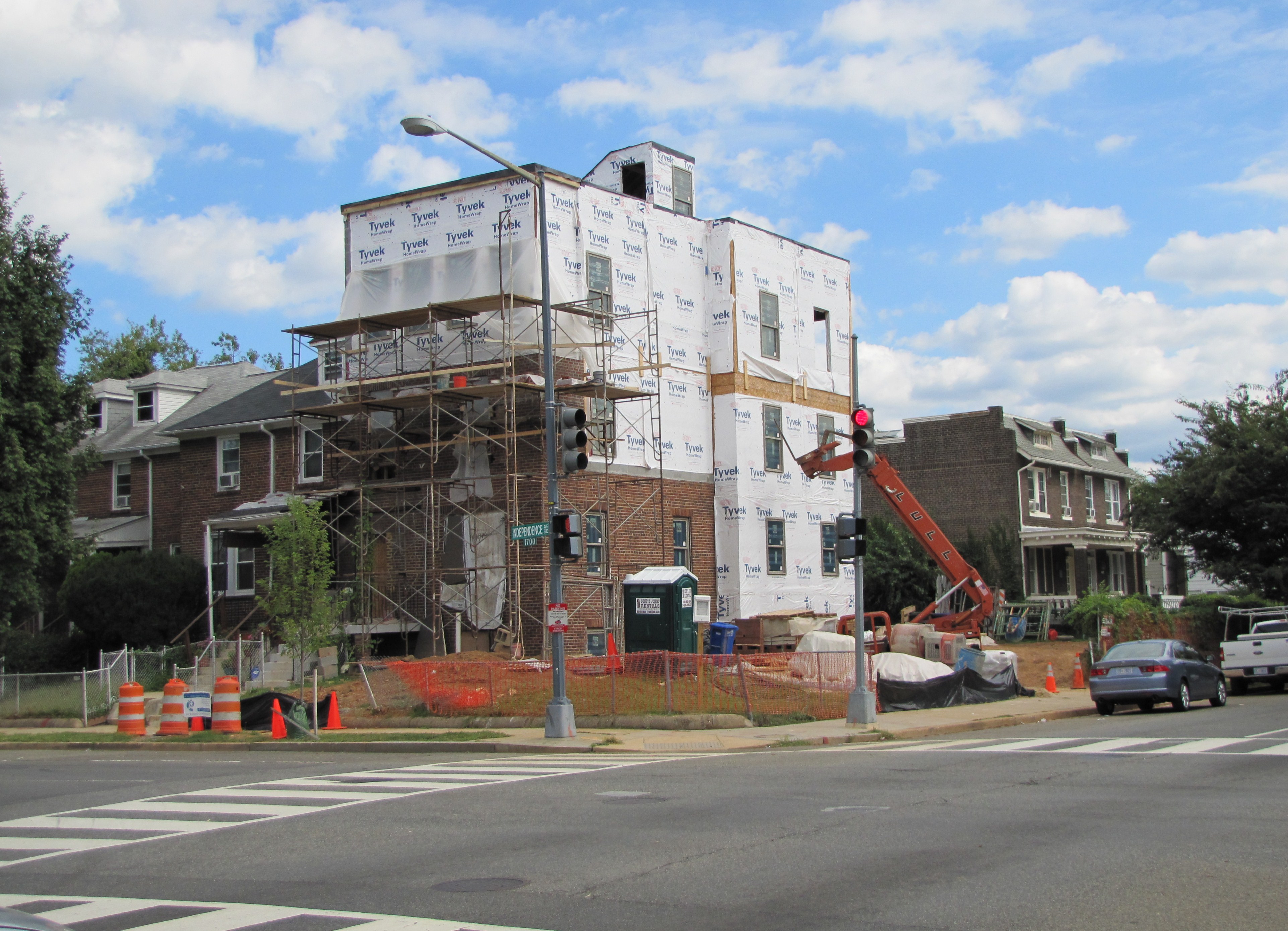
Pop Up at Independence Avenue and 17th, SE

Pop Up at Independence Avenue and 17th, SE

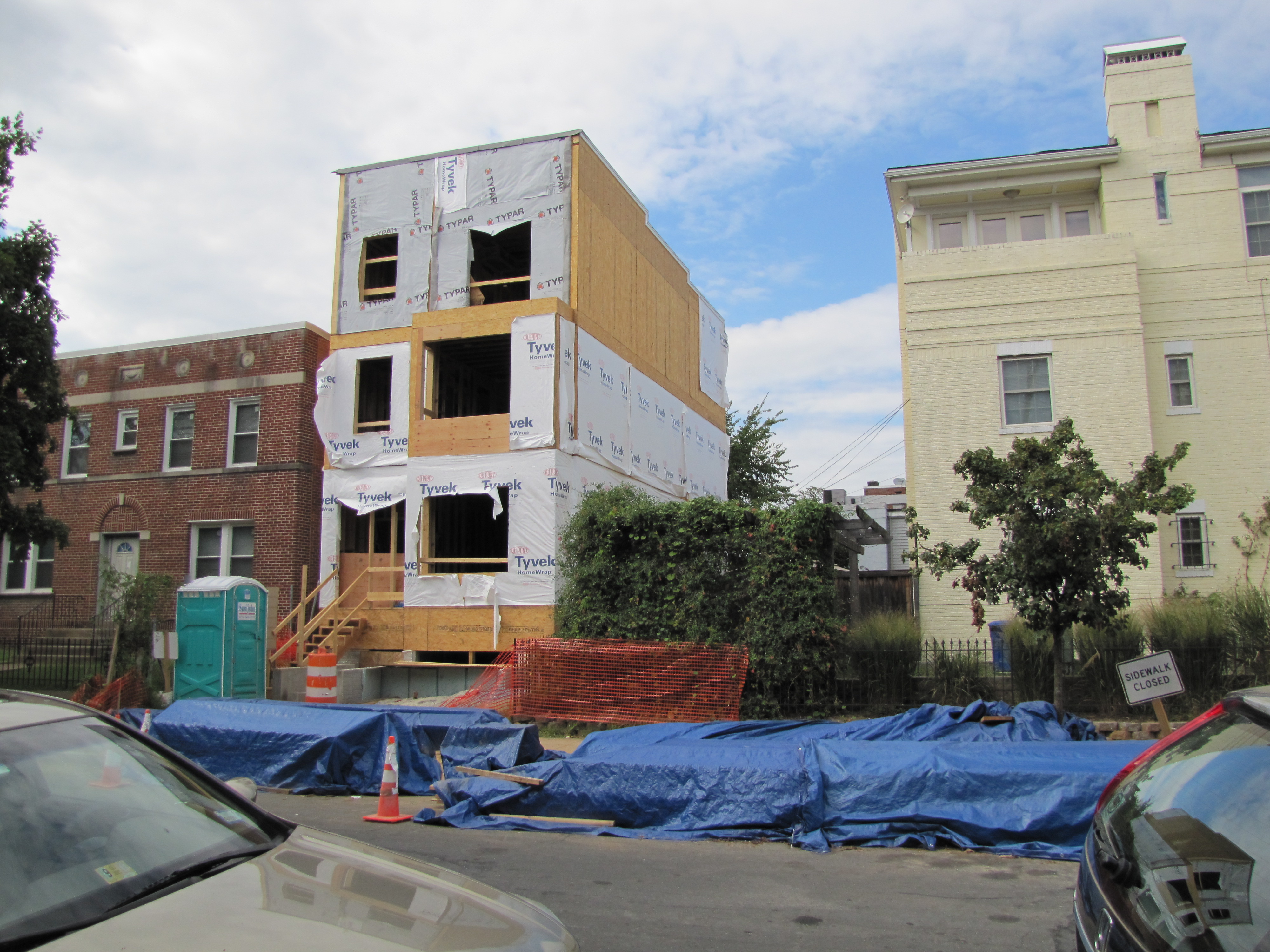
Pop Up, 1600 Block of A Street, SE

Pop Up, 1600 Block of A Street, SE

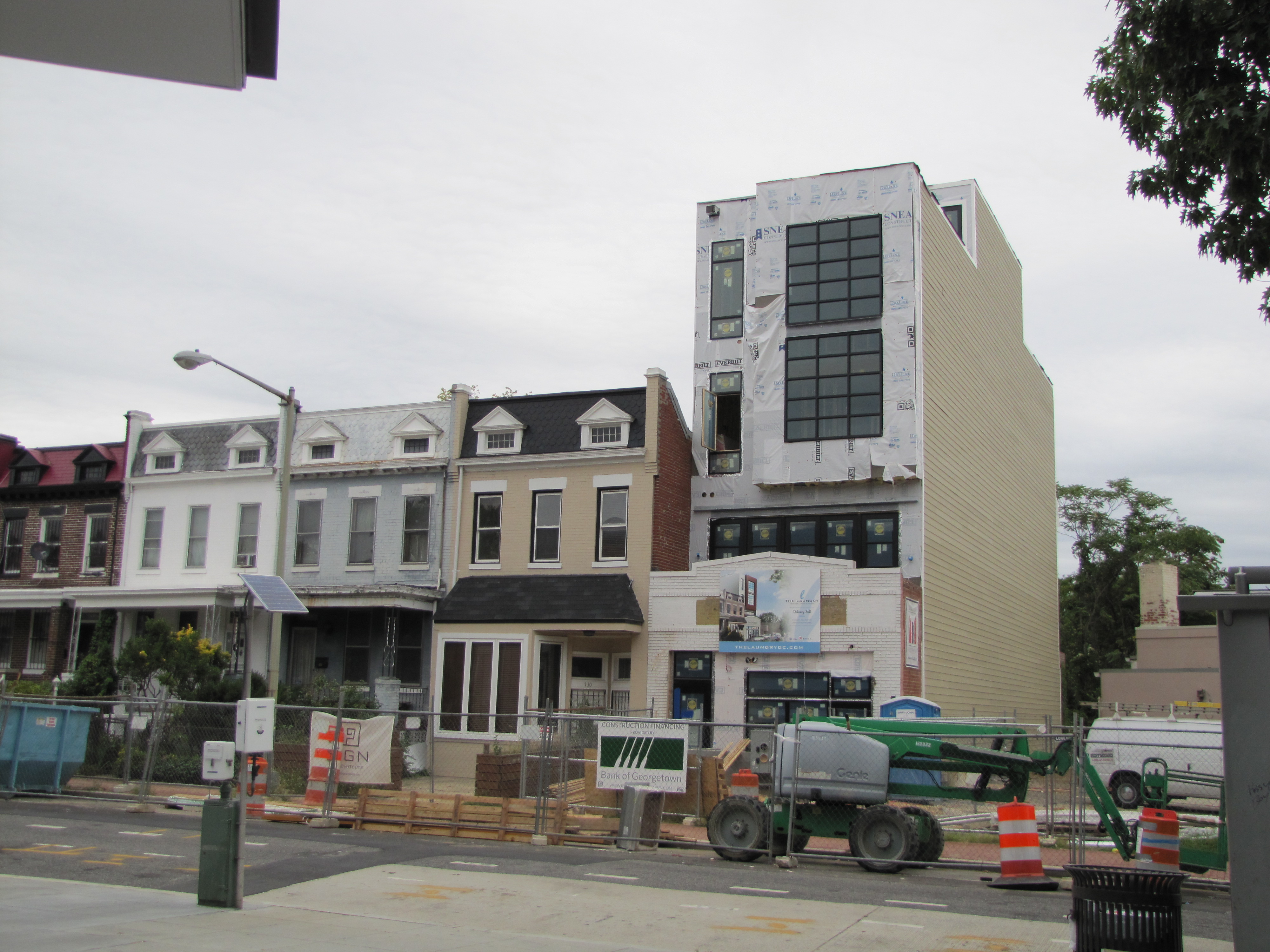
Pop Up Near Pennsylvania Avenue and 15th Street, SE

Pop Up Near Pennsylvania Avenue and 15th Street, SE

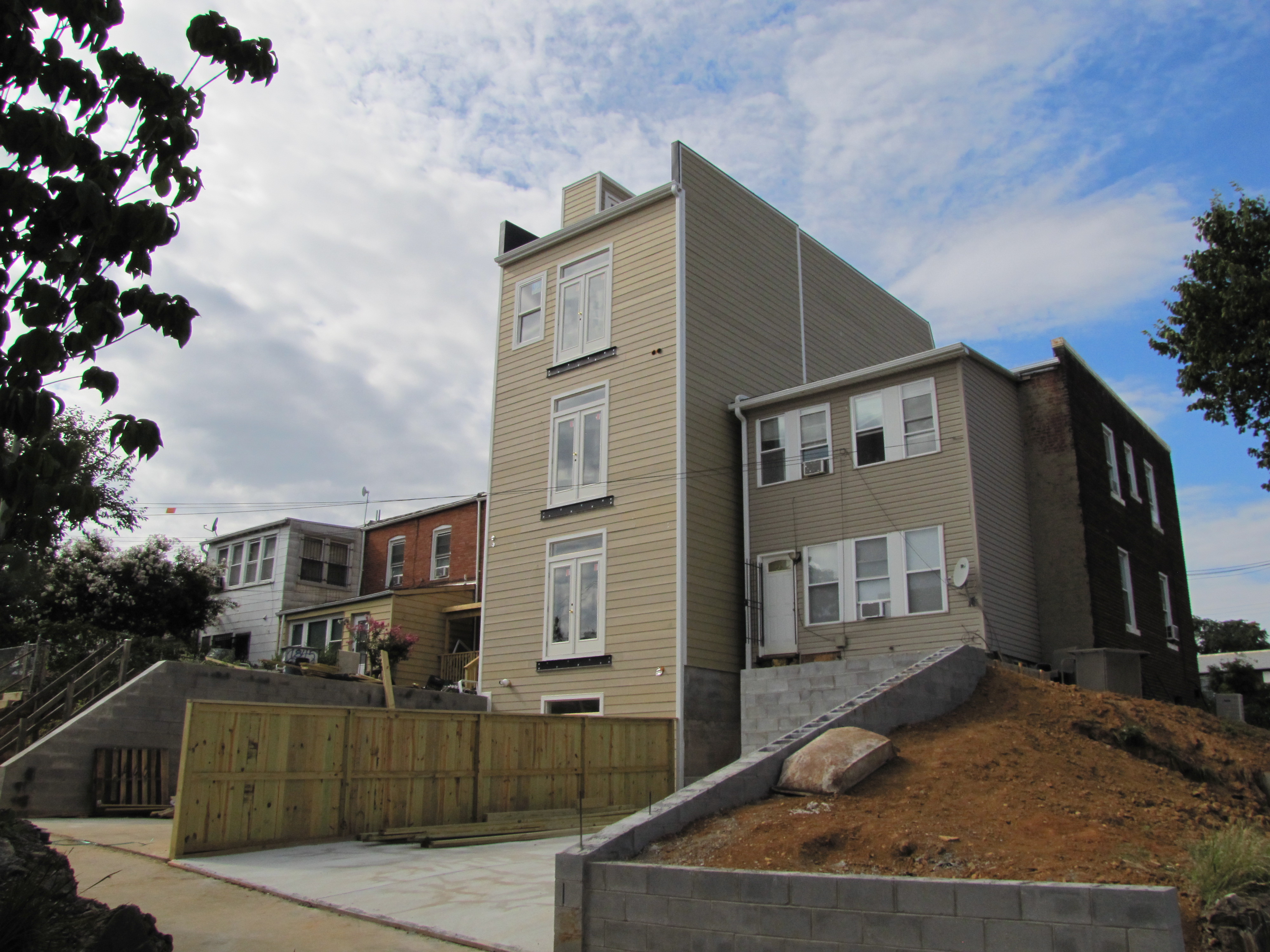
Rear View of Pop Up in 1800 Block of A Street, SE

Rear View of Pop Up in 1800 Block of A Street, SE

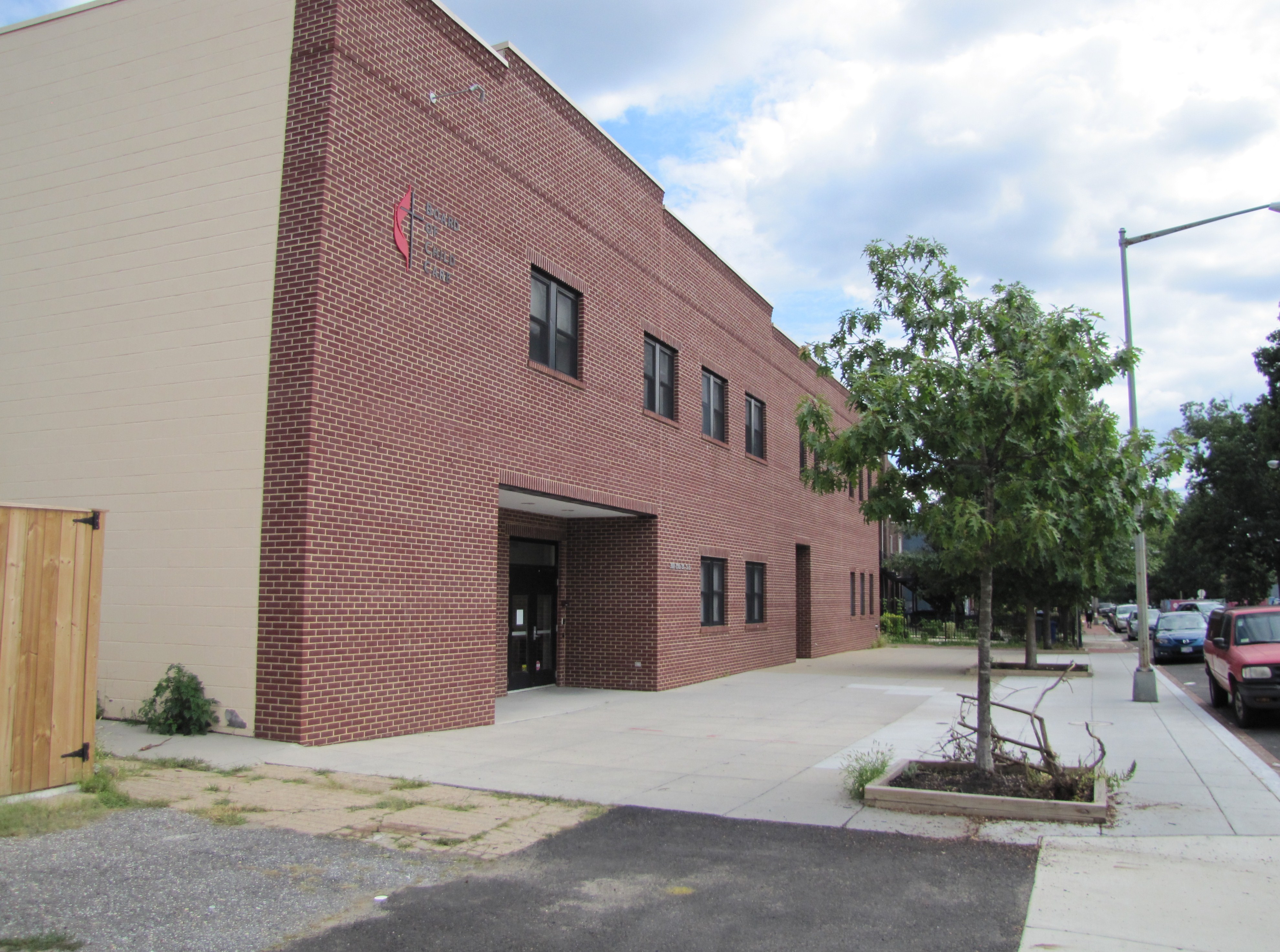
United Church of Christ Child Care Services on 15th between C and D, SE

United Church of Christ Child Care Services on 15th between C and D, SE

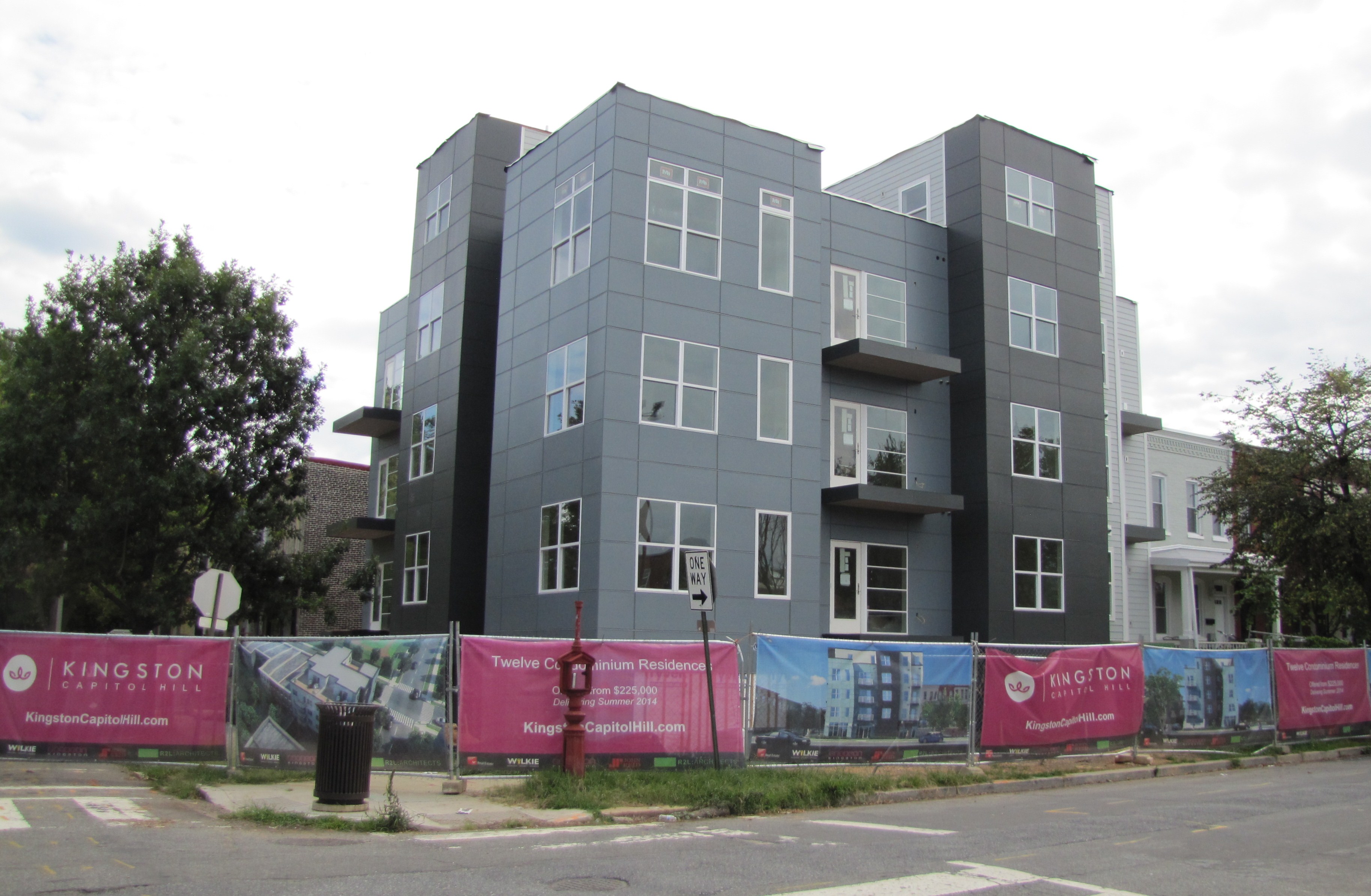
Condos at 15th and D, SE

Condos at 15th and D, SE

Condos at 15th and D, SE

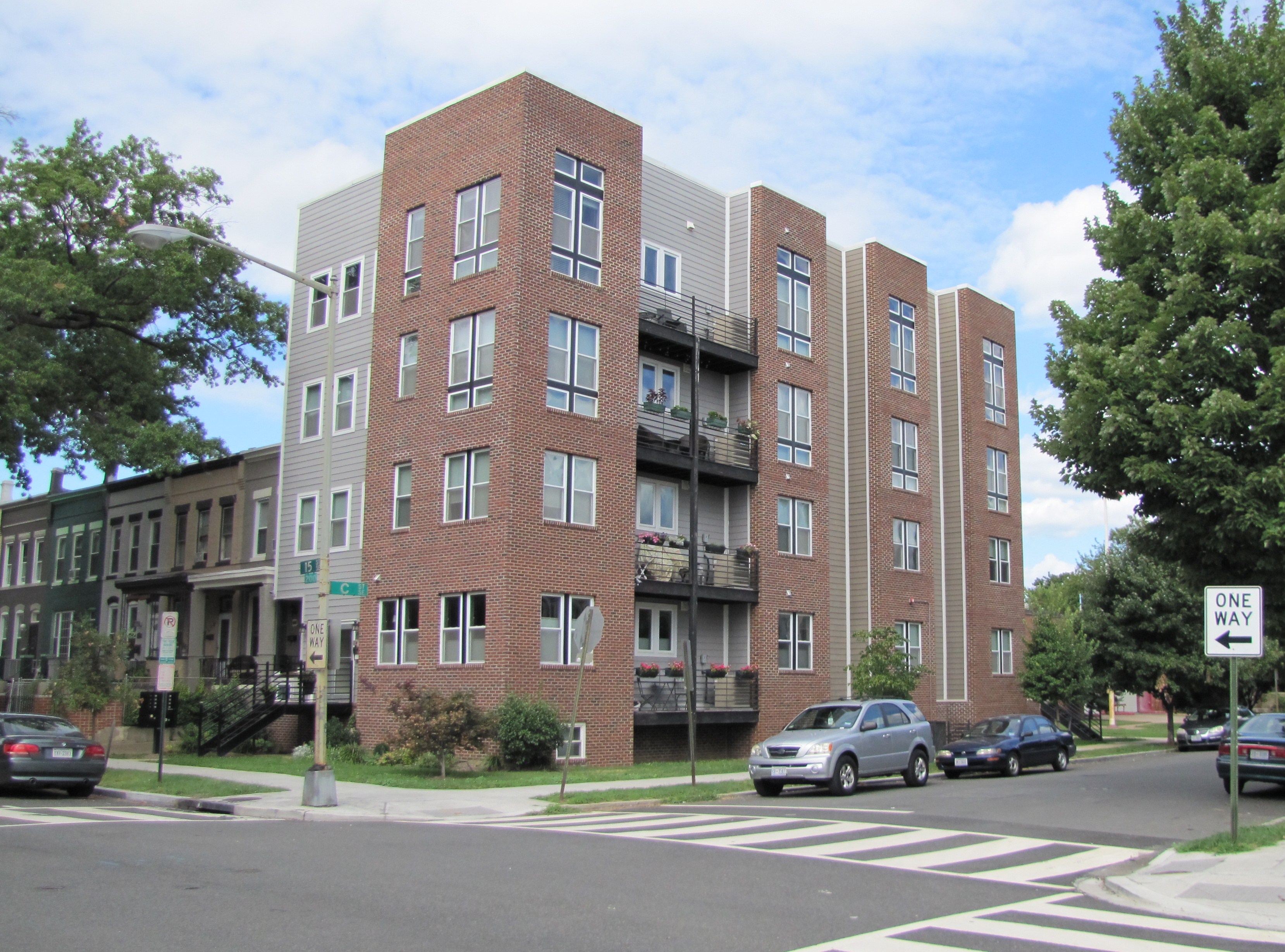
Condos at 15th and C, SE

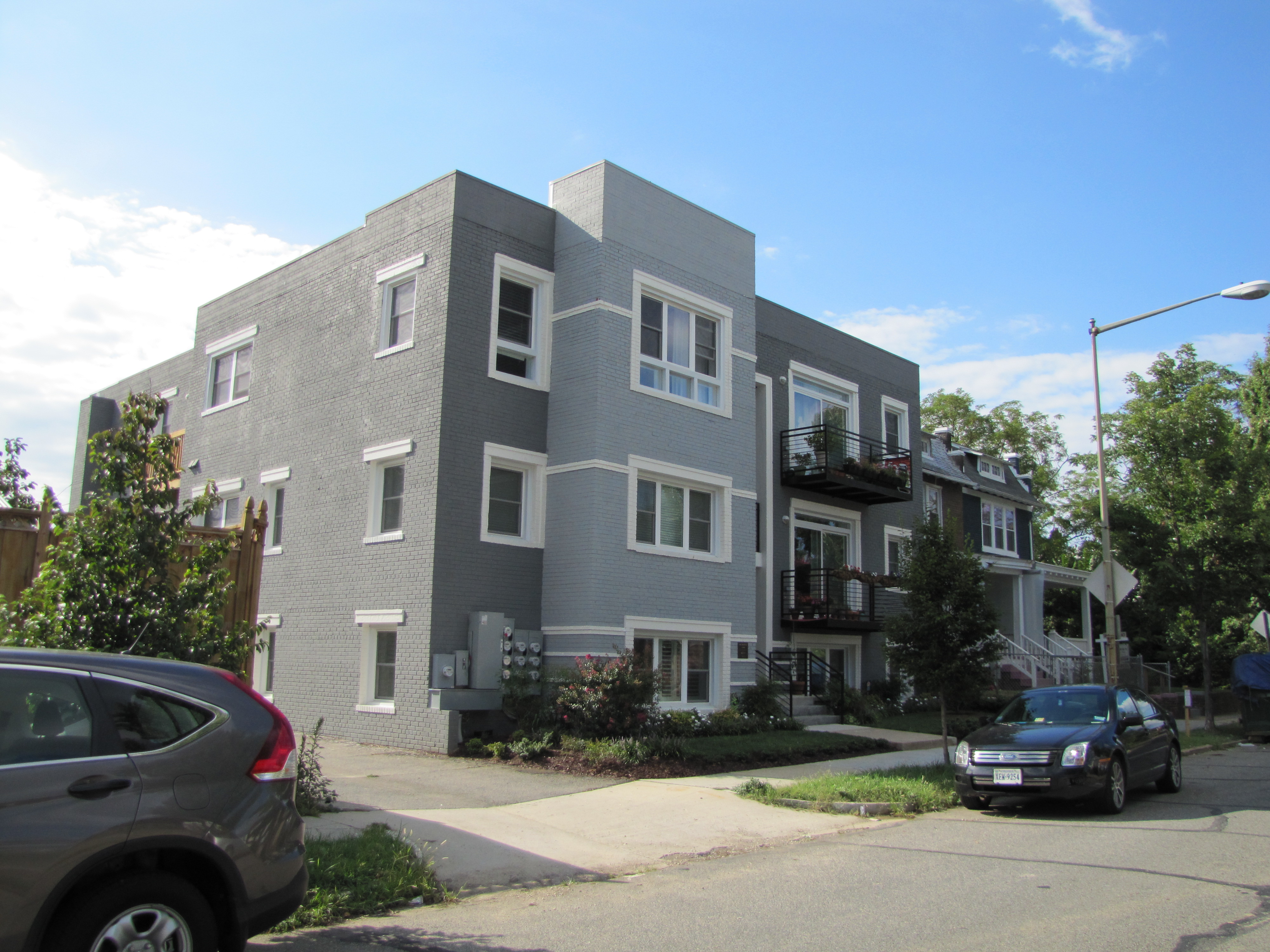
Condos Near 18th and D, SE

Condos Near 18th and D, SE

Pop Ups and​ ​Development in Hill East

Office of Planning Proposes Restrictions on Pop Ups

by Larry Janezich

In Hill East, immediately outside of the boundaries of the Capitol Hill Historic District, development has trended toward condo​s ​for young​er DC residents.

In addition to stand alone multi-residential units, some of the development has taken the form of pop up additions to row houses – both for the purpose of adding living space for families ​and the conversion of single family units to multiple residential units by developers.

This conversion of existing housing stock to multi-residential units is blamed by the Office of Planning (OP) for pushing up the prices of existing townhouses, as developers pay more for properties to convert them than the homeowners who intend to reside in them.

To that end, OP is proposing a series of amendments to the zoning regulations to make it more difficult to build pop ups and to convert row houses to multifamily units.

The proposals would:

1) Reduce building height for row houses in residential districts from 40 to 35 feet without special exception;

2) Change the definition of “mezzanine” to include these partial floors in the number of stories permitted in a residential zone; and,

3) Eliminate a zoning law provision that allows for the conversion of row houses to multi-family (more than 2) buildings.

These changes might be a tough sell in areas where the potential for easy pop ups and additions increase the value of existing housing stock. Homeowners there are caught between desire for increasing property values and trying to maintain the character of neighborhoods.

​As the accompanying photographs illustrate, much of that character has already deteriorated, owing either to pop-ups or to developments that – in distinct contrast to the historic preservation areas where residential development is held to perhaps too exacting a standard – give the residents a sense that there is no threshold whatsoever to meet when it comes to building in Hill East.

ANC6B will soon have an opportunity to weigh in on the proposed zoning regulation changes which could be the subject of public hearings in late October or early November.  On August 4, ANC1A in Columbia Heights and ANC1B in the U Street District, held a joint meeting to hear presentations by representatives of the Office of Planning on the proposed changes to the zoning regulations as well as legislation currently being drafted to provide for the creation (by neighborhood petition) of “conservation zones” which would require Historic Preservation Office review of any major alteration or expansion of existing row houses.  See posting on the blog “Short Articles About Long Meetings” (SALM)) here http://bit.ly/1Ch32mA

12 Comments

Filed under Uncategorized

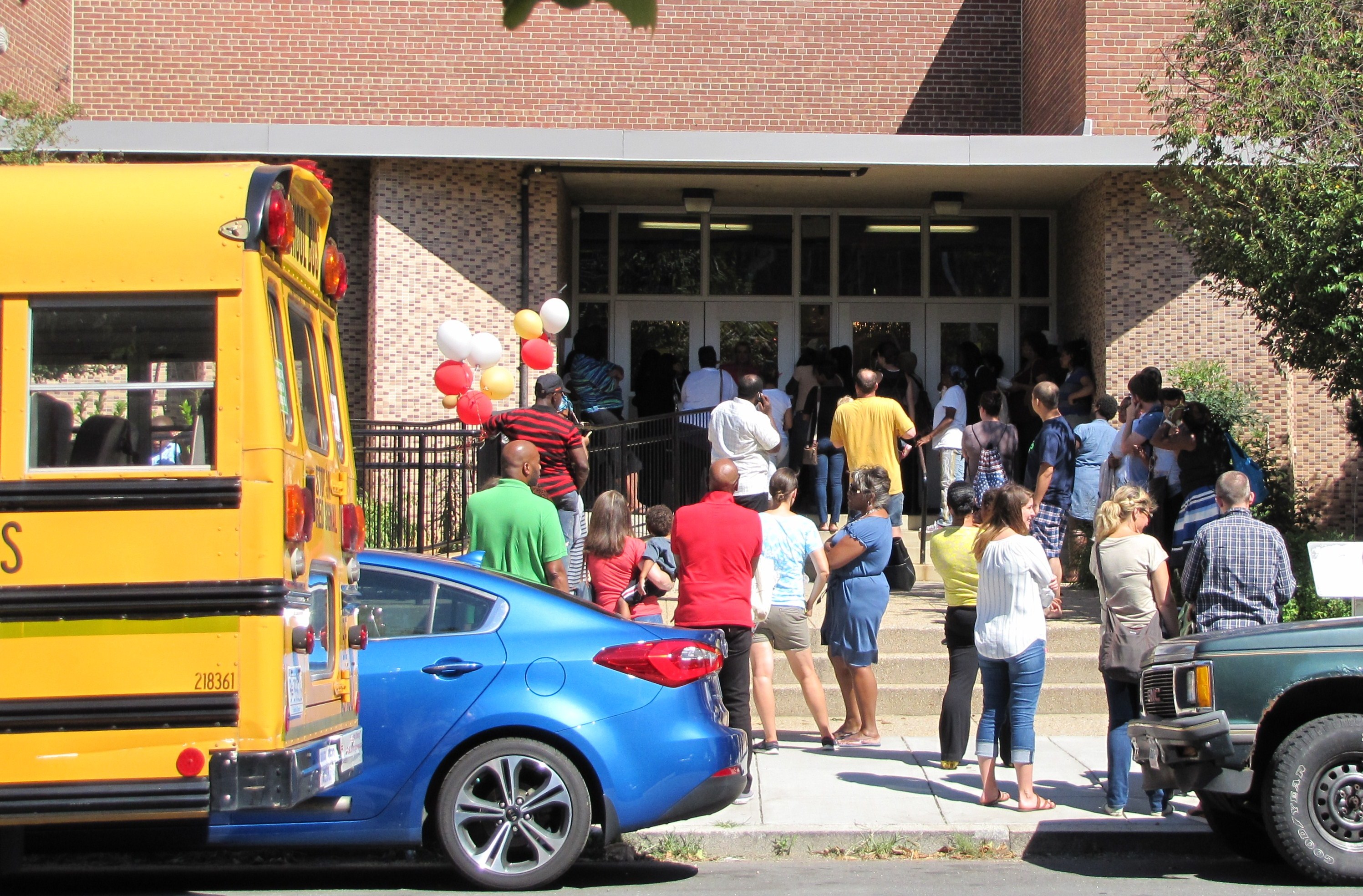
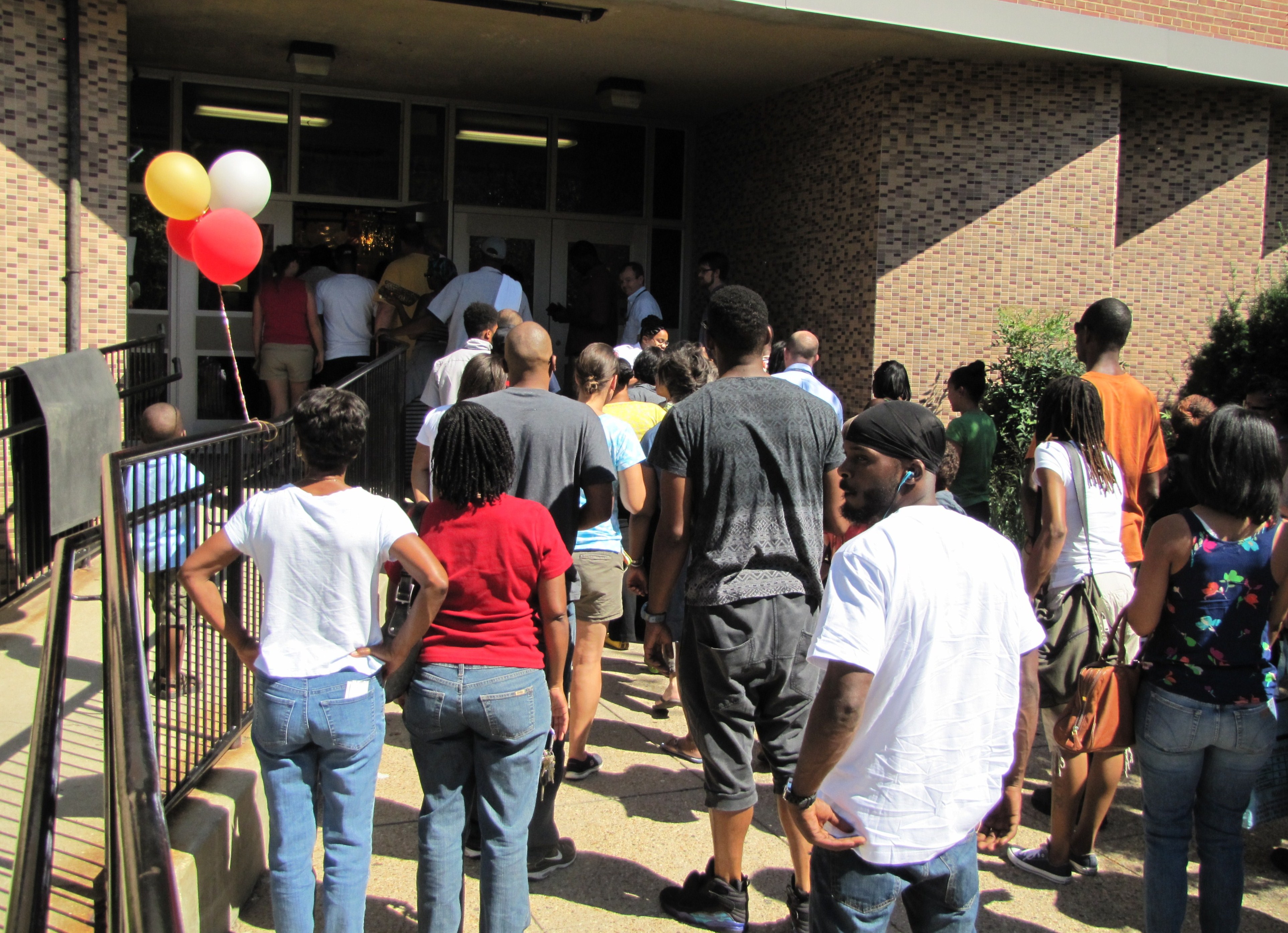
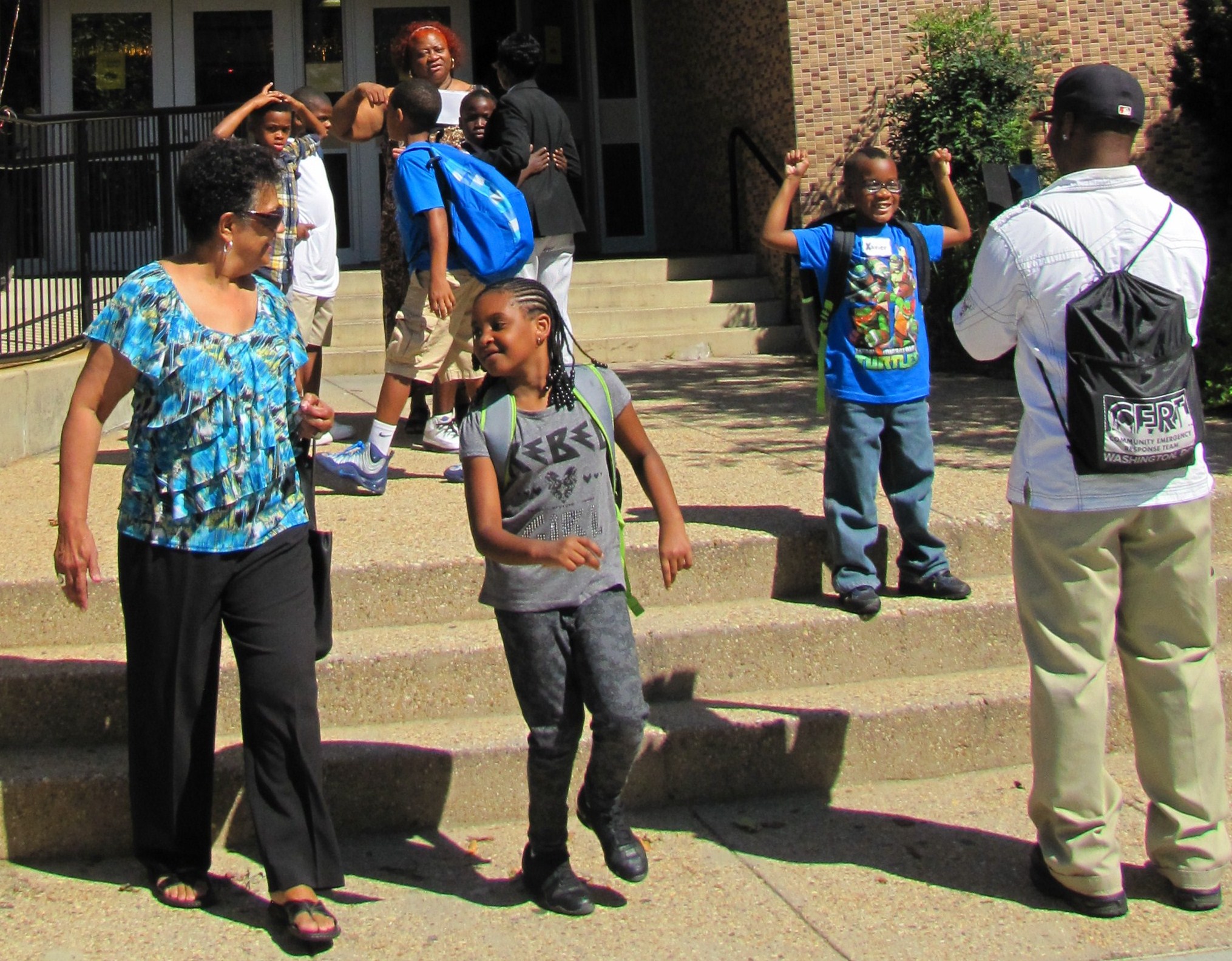
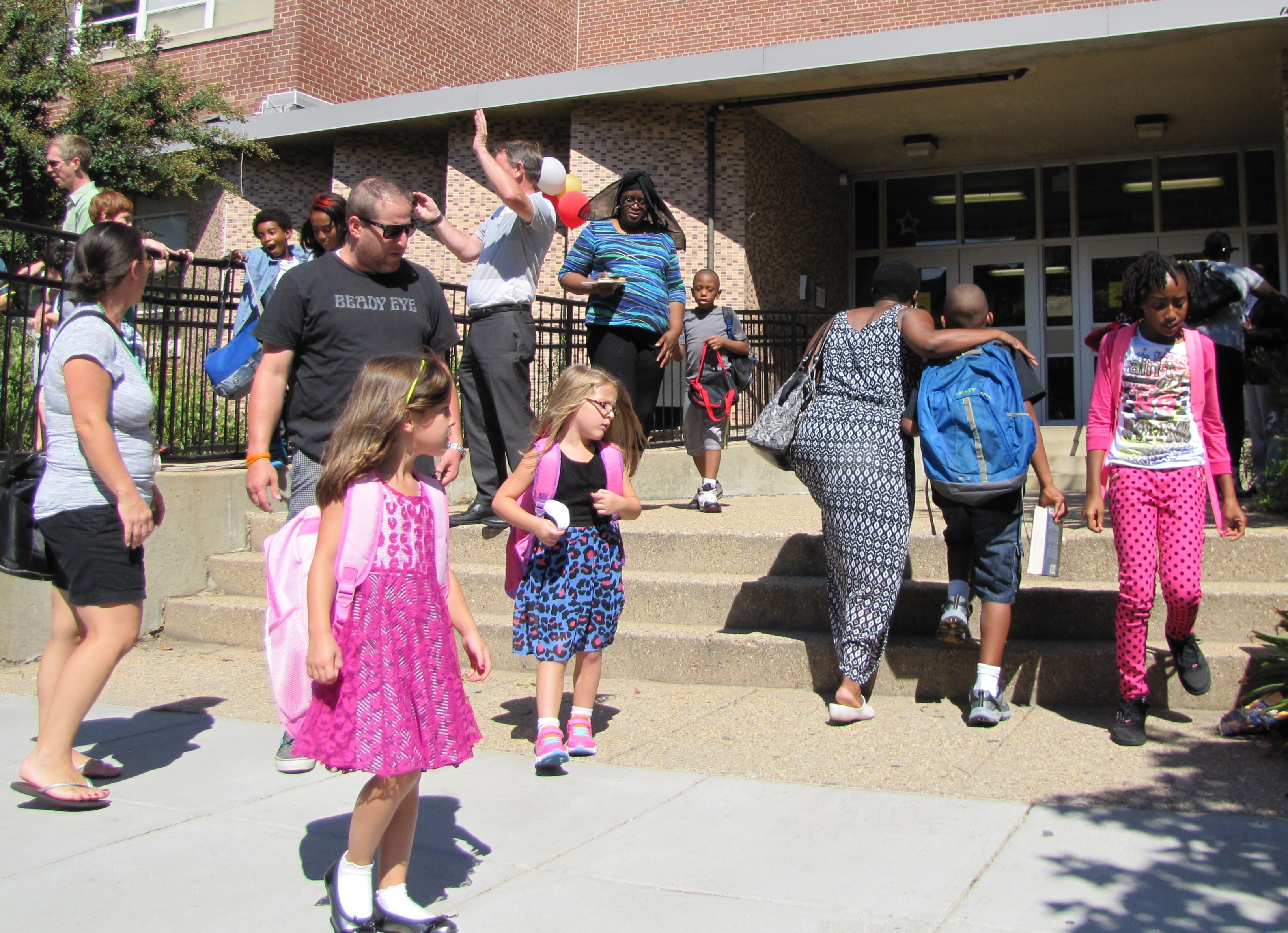
End of the First Day Back at Watkins Elementary – Photo Essay

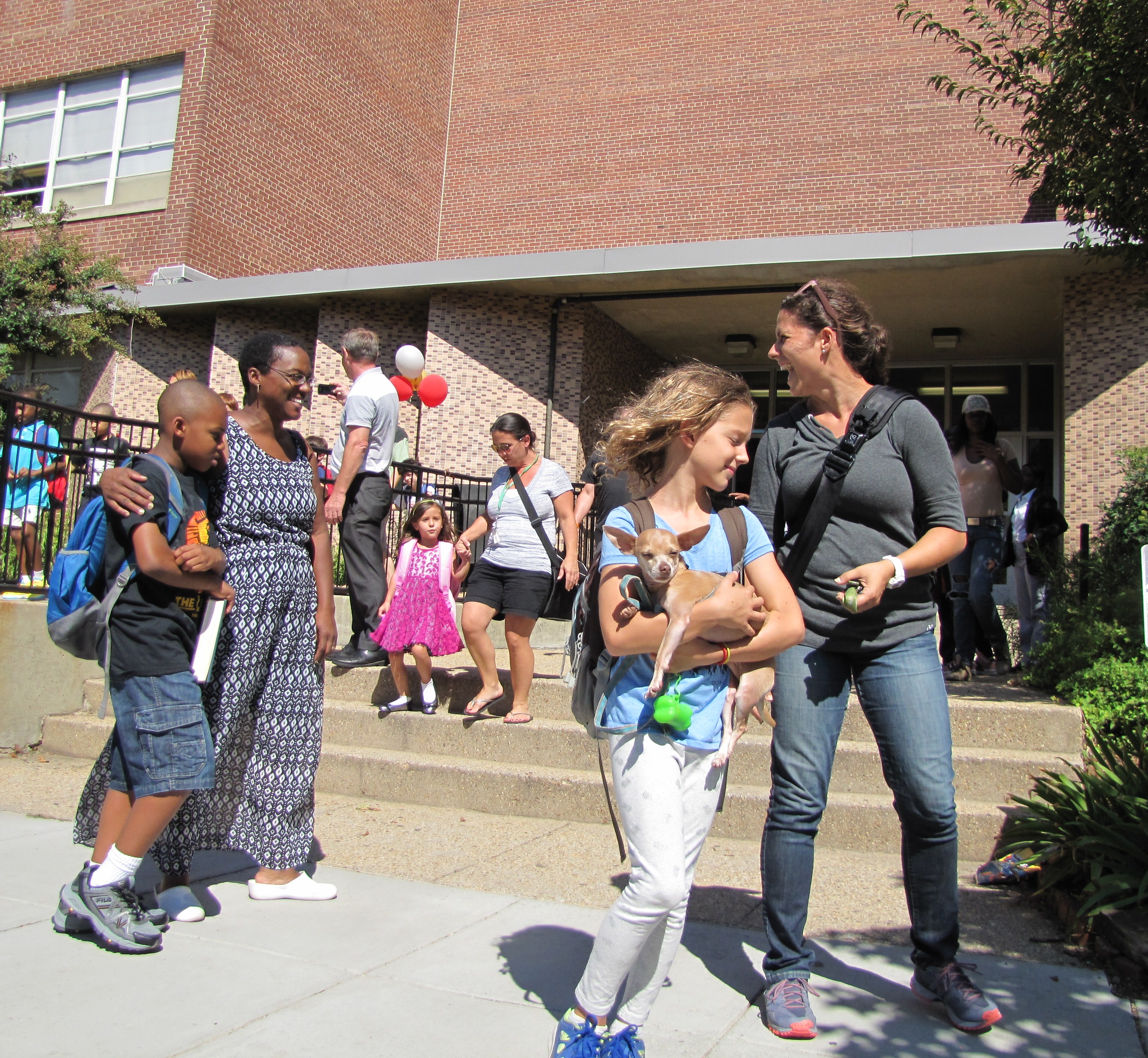
3:10pm, Watkins Elementary School, 12th Street Entrance

                                   3:10pm, Watkins Elementary School, 12th Street Entrance

3:15pm, Watkins Elementary School, 12th Street Entrance

                                          3:15pm, Watkins Elementary School, 12th Street Entrance

3:20pm, Watkins Elementary School, 12th Street Entrance

                                            3:20pm, Watkins Elementary School, 12th Street Entrance

3:24pm, Watkins Elementary School, 12th Street Entrance

                                            3:24pm, Watkins Elementary School, 12th Street Entrance

3:25pm, Watkins Elementary School, 12th Street Entrance

3:25pm, Watkins Elementary School, 12th Street Entrance

3 Comments

Filed under Uncategorized

The Gentrification of Hill East. Perspective: Jim Myers, Hill East Activist

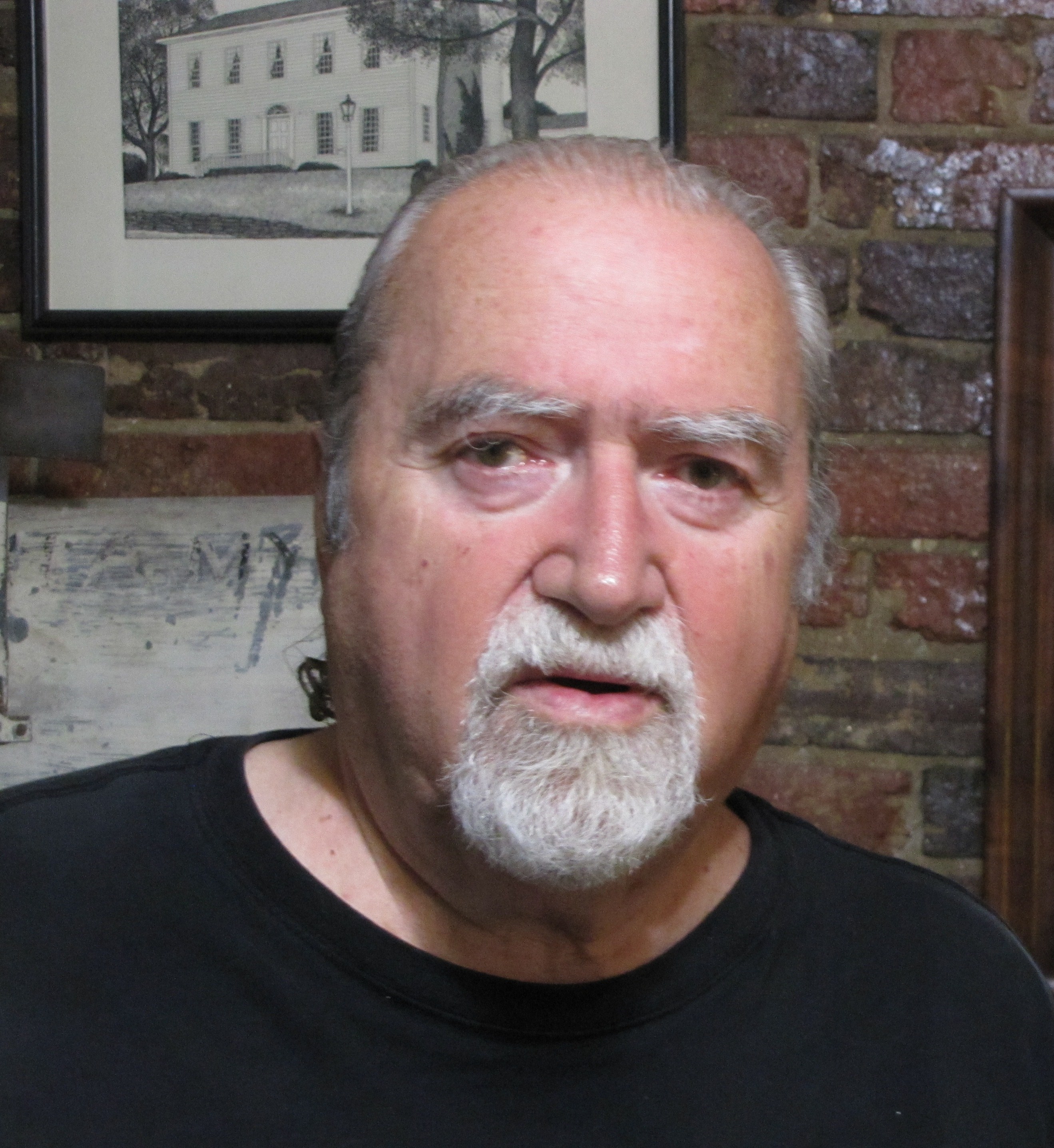
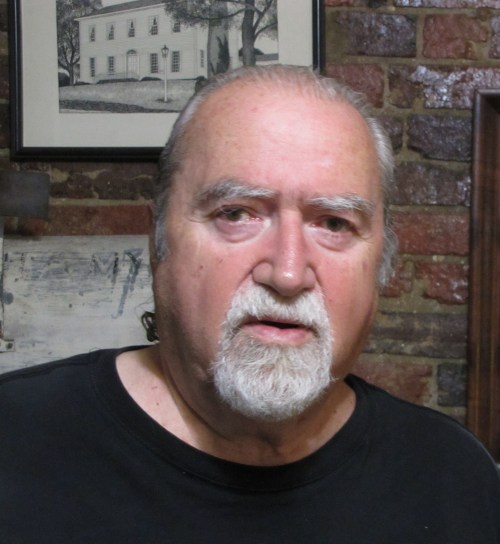
Jim Myers, Hill East Activist.

Jim Myers, Hill East Activist.  Also pictured is the house he grew up in outside of Ithaca, New York
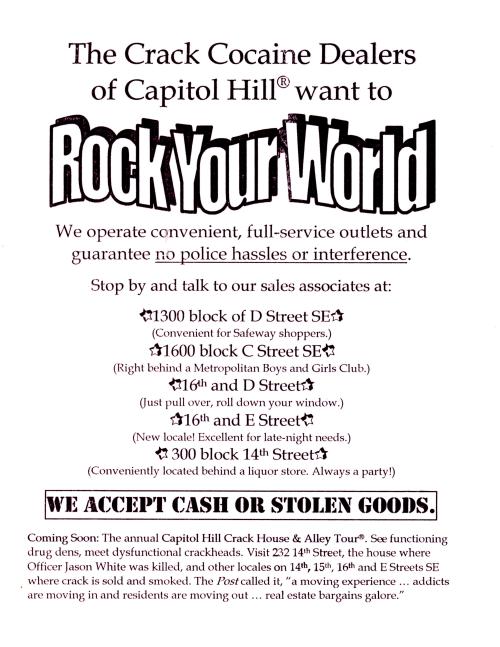
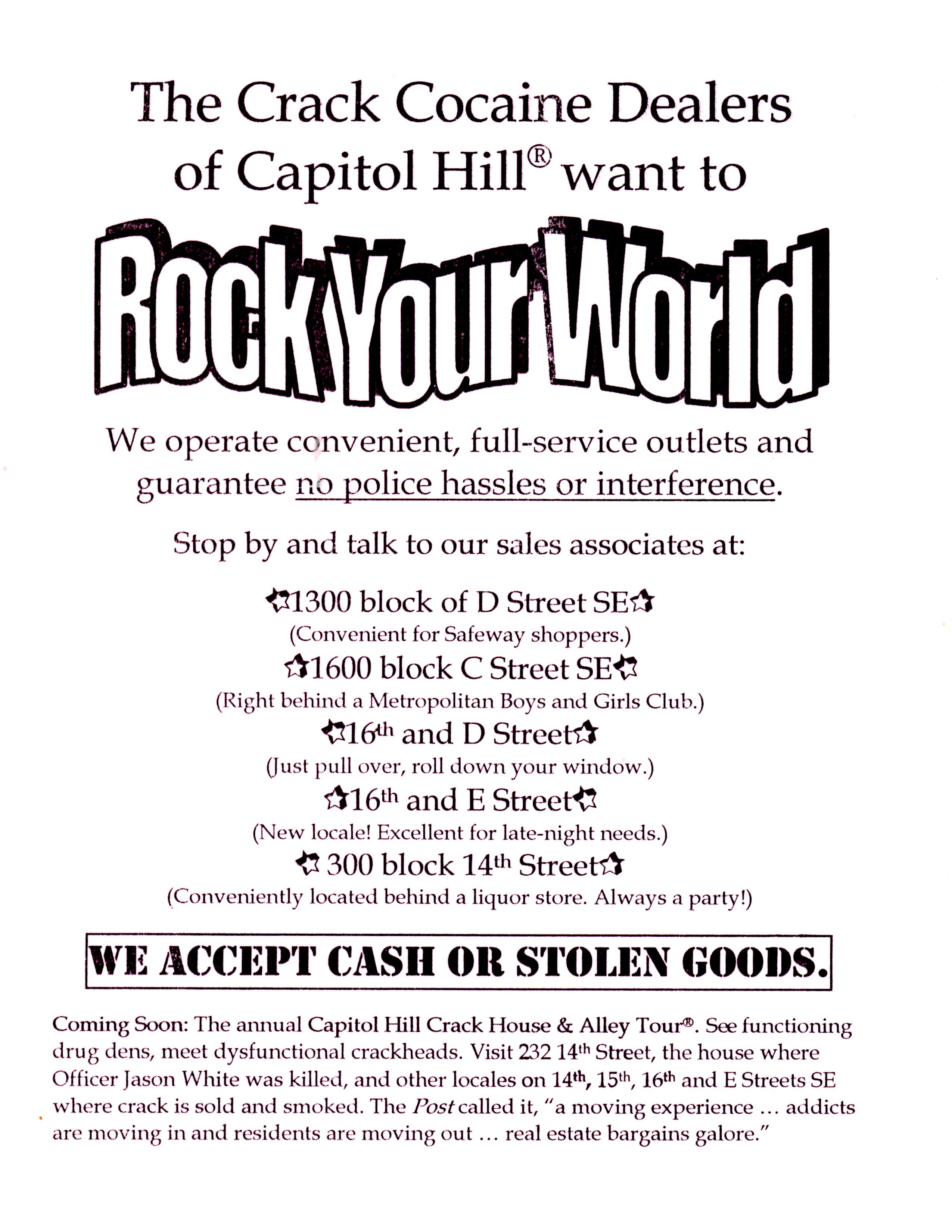
Copy of one of 3,000 flyers posted by Myers and others in 1998 "all over the city" to focus authorities'  attention on Hill East drug issues

Copy of one of 3,000 flyers posted by Myers and others in 1998 “all over the city” to focus authorities’ attention on Hill East drug issues

The Gentrification of Hill East

Perspective:  Jim Myers, Hill East Activist

by Larry Janezich

Asked about the biggest change in Hill East over the past 20 years, Jim Myers replies, “gentrification.”  One of the most dramatic manifestations he says is the “strange loneliness to the street that you didn’t have before – when there were people everywhere, it gave you a tremendous sense of security.  The neighborhood looks depopulated.  How did this happen?”  He answers his own question, “There are fewer people per house.  The new people coming in take more space per person.  The city thinks density is the number of dwelling units – but density used to mean the number of residents per unit.”

According to Myers, gentrification was spontaneous, but it’s clear that Myers played a part in it.  He moved to Hill East in 1990, saying, “I was married to a black woman then and she wanted to live in a black neighborhood.  We moved into a house that had been occupied by blacks since 1905.”  Now he says, he is not sure this is the place he moved to 30 years ago – “It’s not as compelling in terms of interests or experience.  It felt more engaging when the neighborhood was having a lot of problems – and engaging the neighborhood to make things better for the people who lived here was an important part of my life.”

Myers says he is not totally at peace with gentrification, “But it’s one of the ways the city renews itself.  It brings no pleasure to me but if the market produces that result, what can I say?”

Hill East was not called that 30 years ago.  Rumsey Aquatic Center used to be the Capitol East Natatorium.  Eastern Market wasn’t on Capitol Hill,​ which was a small enclave close to the Capitol.  The creation of the Capitol Hill Historic District in the mid-1970s promoted a sense of what we think of as the “Capitol Hill brand.”  Real estate agents extended the definition of Capitol Hill to real estate well beyond the Historic District.

Myers was a journalist writing about cities for USA Today.  In March of 2000, he wrote a piece for the Atlantic Monthly entitled: “Notes on the Murder of Thirty of My Neighbors,” which chronicled the violence and everyday​ life in​ the​ neighborhood.  

Myers said that in the late 90s and early 2000, the city started getting a handle on the homicides and drug issues which had been beyond the capacity of police to deal with.  Until then, activists such as himself were not having much success improving things.  He says, “The first break through was community policing.  It changed the neighborhood and made it possible to imagine homes which someday might have families and increase in value.”  One of the things he did to focus the city’s attention on Hill East was to publicize problems and say”​we want them fixed. ​”​  In April of 1998, he and others ​printed up 3,000 flyers – purporting to be authored by crack dealers inviting customers to meet sales associates at a list of open air drug markets in Hill East (pictured above).  Myers and his friends posted them “all over the city” which got the attention of both the politicians and new MPD Chief Ramsey.

One of the key factors in changing the character of the neighborhood was closing down in 1997 of Kentucky Courts – the Hill East public housing project notorious for shootings and the sale of drugs which characterized the city’s violence of the early 1990s.

Myers said that for him, it was a moral decision to shut it down.  He asked himself whether it was better to let single mothers raise kids there or tear it down.  When it was declared a health hazard due to the accumulation of pigeon waste, among other things, the city moved to remediate it and moved residents out.  The DC Housing Authority subsequently razed and replaced it with a mixed income project.  Myers says, “I was naïve to think we could close down Kentucky Court and produce a better place to live without bringing major change to the neighborhood.”

Some longtime residents started taking advantage of an opportunity sell houses in which they had been living or renting out.  Myers: “We never thought that gentrification would be the result.  It worked out in a way I did not feel good about.  Many of the old community based institutions are gone.  Churches like the Providence Baptist Church at 15th and Kentucky, the recreational center at Payne, and the Boys and Girls Club at 17th and Massachusetts.  Change was a slow process but it turned out that that happened in a way that was out of control.  Houses changed hands.  New residents came in waves then became a tidal wave.”  

Myers points to a pivotal moment he experienced in 2000.  He was walking near a long time trouble spot and drug market, the New Dragon Carryout at 15th and C.  He passed a white couple with a baby carriage.  He asked if they were lost, and they replied, no, they were thinking of buying in the neighborhood.  Up until then, Myers says, only the fore runners of gentrification –people he dubs,​“pilot fish” –  artists, gays, and political radicals​ who were attracted to the neighborhood.

He cites the work of Andre Duany, Florida architect and city planner who describes three waves of gentrifiers: first are the “risk oblivious” – those not attuned to risk because there is something else about the neighborhood they like.  Second are the “risk aware” – those who see property which might be worth something someday, get in now and when prices increase and make some money.  Third are the “risk averse“ who buy into a neighborhood after housing prices have gone up and see danger in anything impacting the potential value of their homes.  Myers says

the latter​ fear the word of crime as much as crime itself.  Of himself, he says, “I’m risk oblivious surrounded by risk aware and risk adverse.”

A strange thing has happened as gentrification spread eastward from neighborhoods close to the Capitol Building – resistance to expanding the Historic District began as properties turned over.  Myers said he missed a meeting at Payne School when the community met with the Historic Preservation Office to discuss expanding the Historic District, but his impression was they must have done a bad job because they left people with the impression that every little thing was going to be a matter of inspection.  People who benefited from the Capitol Hill brand resisted the Historic District – a “cognitive dissonance” according to Myers.  Not recognizing the value the Historic District brought to their properties, “People want their cake and eat it too.”​

Asked about expanding the Historic District into Hill East, Myers replies, “In some ways, I don’t think the expansion of the Historic District will happen here. The horses have bolted,” referring to recent developments, including popups and the building of multi-​unit residential complexes free from Historic District constraints.  Myers allows that there were some prohibitions associated with the Historic District which might have made development in Hill East look better, saying, “I regret that we weren’t more demanding about what was put on the available land on 15th Street.”

As evidence of Historic District regulations casting those policies in a negative light, he cites the example of the controversy over preservation of the “Shotgun House” in the 1200 block of E Street, SE.  “The issue left people puzzled, especially the new generation of Hill dwellers who are pro-development.  The preservationists couldn’t have done a better job of (undercutting the expansion) of the Historic District.”


11 Comments

Filed under Uncategorized

The Week Ahead…..and a Look Back: 11th Street Ramp to SE/SW Freeway Reopens

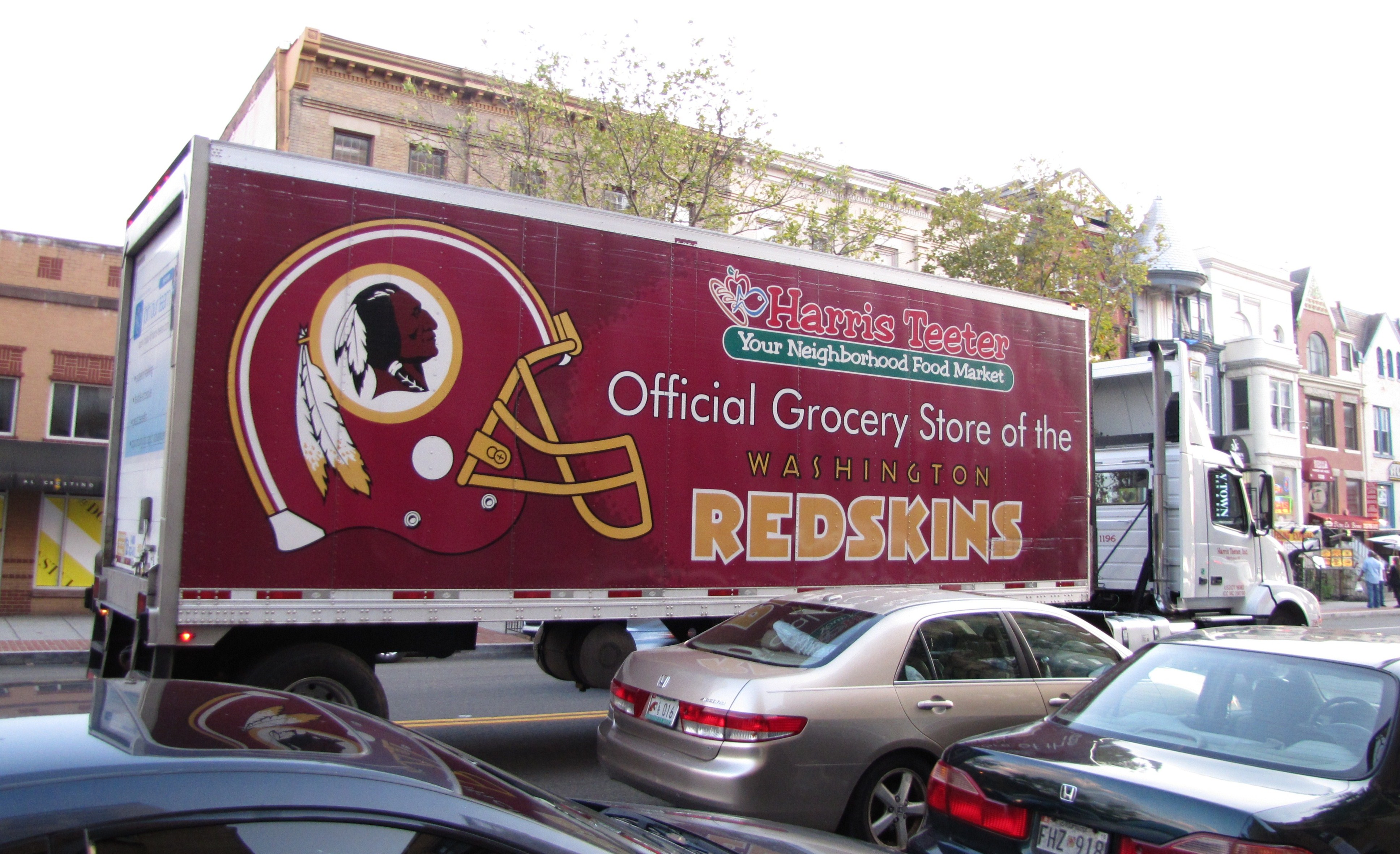
Harris Teeter Goes All In on a Name Some Find Offensive

                                   Harris Teeter Goes All In on a Name Some Find Offensive

The Week Ahead…..and a Look Back: 11th Street Ramp to SE/SW Freeway Reopens

by Larry Janezich

A Look Back…

Last Friday, DDOT reopened the 11th Street westbound ramp to I-695, the SE/SW Freeway.  Residents have had to use the 3rd Street ramp for the past two months, after the 11th Street ramp was closed for construction. 

The Week Ahead…

Monday, August 25

ANC 6’s Community Outreach Committee meeting originally scheduled for August 18 meets at 7:00pm, in Maury Elementary School, 1250 Constitution Ave NE

Tuesday, August 26

ANC6b’s Executive Committee meets at 7:00pm in Hill Center to consider the schedule for the next ANC6b meeting, September 9

Comments Off on The Week Ahead…..and a Look Back: 11th Street Ramp to SE/SW Freeway Reopens

Filed under Uncategorized

Custom Furniture Retail Outlet Replaces 7th Street’s “Monkey’s Uncle”

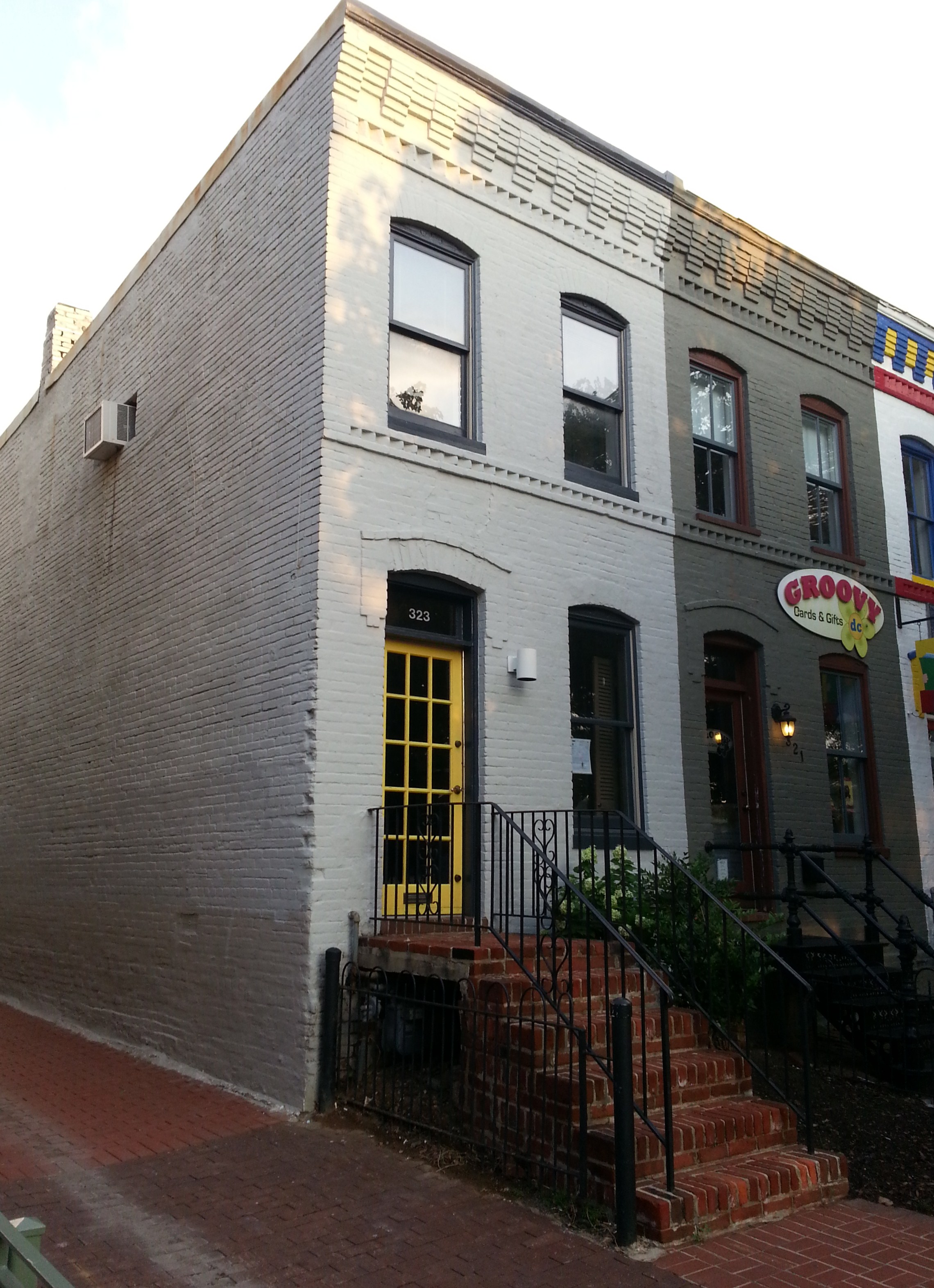
323 7th Street, SE, formerly "Monkey's Uncle"

323 7th Street, SE, formerly “Groovy” which relocated to space vacated by “Monkey’s Uncle”

Custom Furniture Outlet to Occupy Space Opened Up By Departure of 7th Street’s “Monkey’s Uncle”

Acqua Al 2 Restaurateur Branches Out

by Larry Janezich

DC restaurateur Ari Gejdenson has purchased the property at 323 7th Street, SE, formerly occupied by Groovy which relocated to the space held by Monkey’s Uncle after the recycled children’s clothing shop closed. Gejdenson plans to open a custom furniture showroom featuring furnishings, including tables, chairs, stools, and light fixtures.  The custom furniture will be built to order.  The announcement will likely be welcome to residents who frequently bemoan the lack of retail in a commercial district with a heavy presence – some say too heavy – of of food and drink establishments.  

Asked for the genesis of the new venture, Gejdenson said that “we have always built our own stuff for our restaurants,” and that inquiries from customers about where they could buy the furniture convinced him and a business partner – who will actually design and build the pieces – to launch the project. 

Gejdenson, who today told CHC, “I’m excited to bring a small retail option to the community – to 7th Street,” has not decided on a name for the outlet which he hopes to open in a “couple of months.” 

The restaurateur, owner of Mindful Restaurant Group, which includes Acqua al 2 (where he is the chef), Ghibellina in Logan Circle; and Harold Black – the speakeasy above Acqua al 2 – is also talking to the Douglas Development, about leasing a building currently under renovation at 1301 Pennsylvania Avenue, SE.  As first reported in CHC, Gejdenson hopes to open a ground floor specialty food market – items generally unavailable elsewhere, but which will complement shopping at nearby Harris Teeter – and a restaurant. (See here:  http://bit.ly/1j1zbIl)

1 Comment

Filed under Uncategorized

Troubled XII Lounge To Become Restaurant/Culinary Arts Training Academy

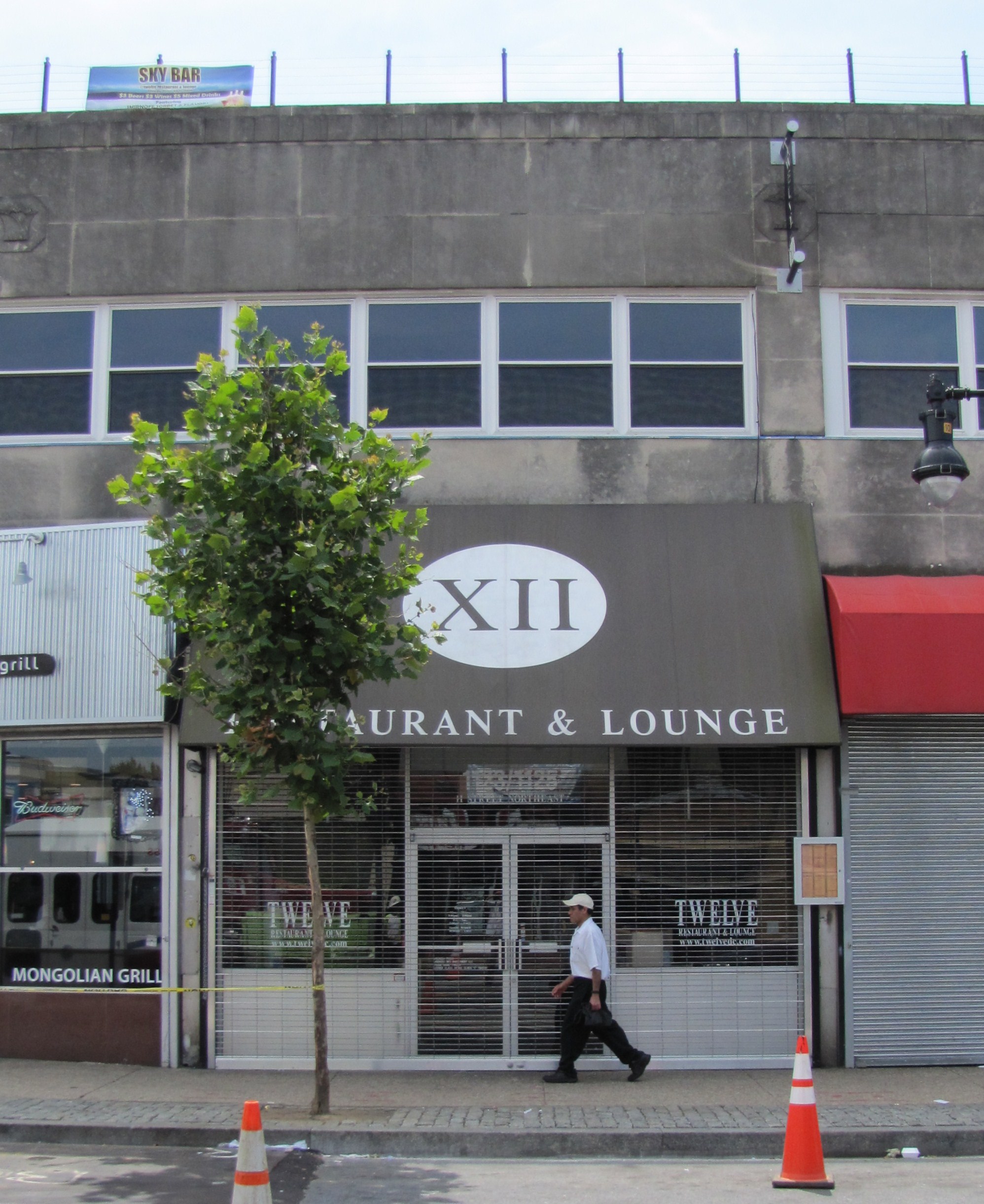
XII Restaurant and Lounge, 1123 H Street

                                                  XII Restaurant and Lounge, 1123 H Street

Troubled XII Lounge To Become Restaurant/Culinary Arts Training Academy

by Larry Janezich

The notorious H Street Lounge XII at 1123 H Street whose raucous tenure was characterized by violence and violations of its settlement agreement with the community will become a restaurant and culinary arts academy according to Jayne’ Lamondue Price, General Manager, Naomi’s Ladder, LLC.  Tuesday night, Price described a plan to ANC6a’s ABC Committee which envisioned a full service restaurant and a post-secondary educational institution offering certified occupational training in bartending, hospitality services and restaurant management.  A full service catering company offering on and off premises catering to local businesses, schools and community centers will be part of the operation.  Price said the company would apply for a license for the educational and training component of the operation before next January.  The operation described appears to be similar to a proposed venue still under construction at 13th and H Streets.

Wanda James is the new owner of the business which Price says has no relationship with any of the prior owners or with Bernard Gibson, owner of the building and one of the founders of Lounge XII.

On June 6, 2014, the Alcoholic Beverage Regulation Administration (ABRA) suspended XII’s tavern license based on the Board’s finding that the “operations of the establishment create an imminent danger to the health and safety of the public.”  This followed a series of acts of violence, the last being a stabbing on May 24, 2014.  XII’s tavern license – which allows a venue to minimize the serving of food in contrast to a restaurant license – will have to be transferred to the new entity by ABRA.  ABC Committee Chair Jay Williams warned that the issues related to the suspension may have to be resolved before the transfer can take place.

Price told ANC6a ABC Committee Tuesday night that the first floor will be a full service dining area, the second floor (used for training purposes during the day) at night will feature entertainment and dancing. The roof – which the new owner hopes to eventually enclose to permit year round use – will feature a garden and dining.  Price says she hopes to fill a void in H Street entertainment options with the kind of talent now available at Blues Alley, the Birchmere, and Blues & Jazz in Bethesda. 

Commissioners, clearly concerned about the transgressions which occurred while XII was operating that so alienated the community, raised a number of issues to which Price responded with assurances that the academy/restaurant would operate differently and work hard to meet the expectations of the community and the ANC.  Price said the owner was “hoping to bring something strong which will last to the community.” 

In literature distributed at the committee hearing, the owner profile for Wanda James provides the following information:

Native Washingtonian with over 50 years in the community.

Retired US Army veteran.

BA in International Business and Certification in Acquisition Contract Management.

Established 501c3 organization for health, education and family development.

Mother, grandmother and community outreach volunteer. 

This appears to be the first venture of this type that Ms. James has undertaken.


2 Comments

Filed under Uncategorized

Rattlesnake Chili and Bison Ribs on H Street – Update on Kitty’s Saloon

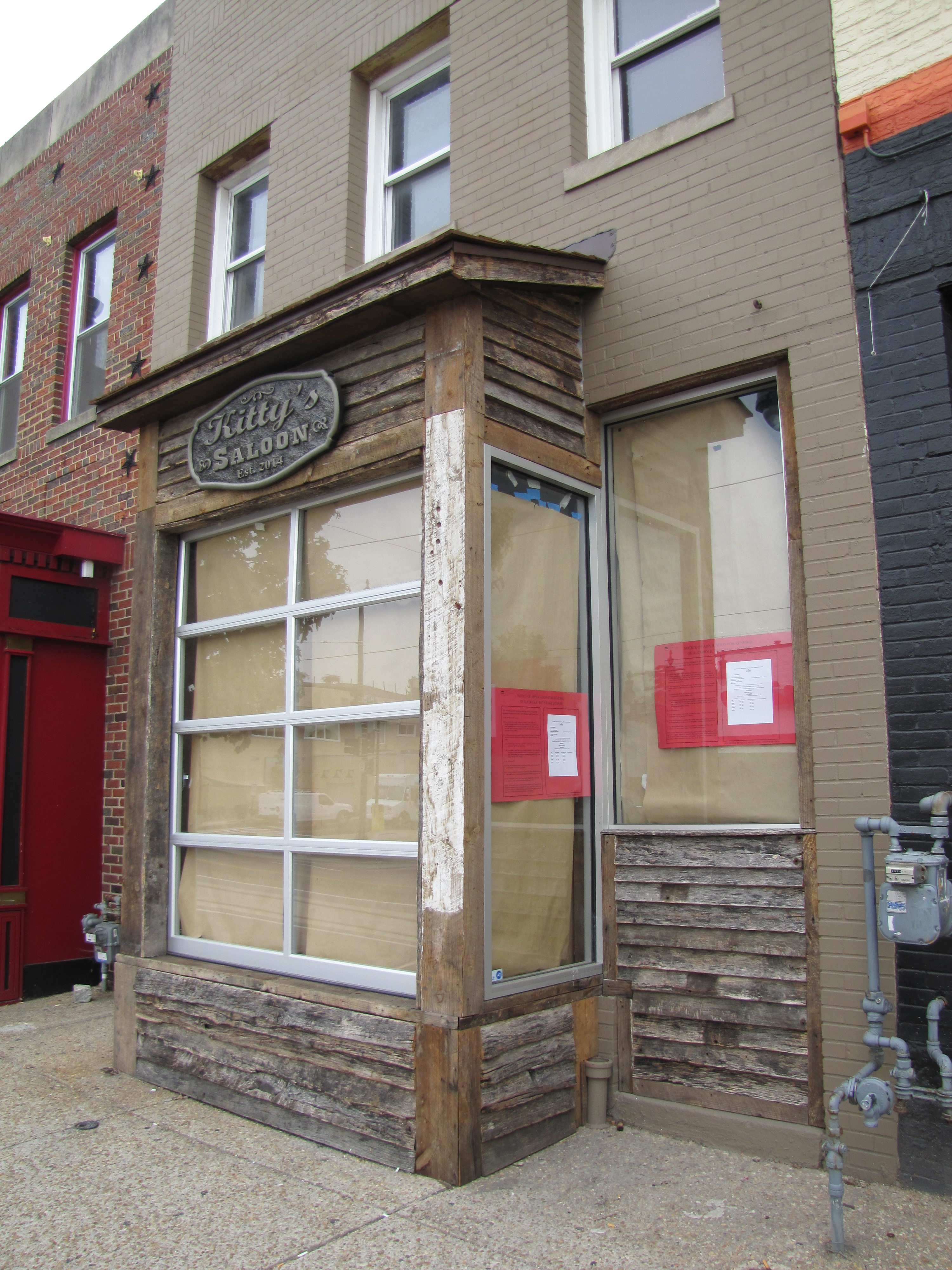
Kitty's Saloon, 1208 H Street, NE.

                                                       Kitty’s Saloon, 1208 H Street, NE.

Rattlesnake Chili and Bison Ribs on H Street – Update on Kitty’s Saloon

by Larry Janezich

Last night, David Conn, executive chef and managing partner of Kitty’s Saloon, opening soon at 1208 H Street, NE, (formerly Souk) appeared before ANC6a’s ABC Committee to support renewal of the restaurant liquor license associated with the building.  He told the committee that the restaurant would have a western theme and would serve tap beer, premium whiskies, and bourbon.  The restaurant will extend the novelty venue tradition begun by Joe Englert and his partners.  The menu will feature small plates and entrees focusing on Western and Southern food, including rattlesnake chili (really), bison ribs, and roasted squab – as well as some “fun” dishes like fried baloney sliders.   

The restaurant will open “late summer – soon” according to Conn, evenings only at first, but for brunch as well, shortly. 

The operators are in talks with the owner of the building to expand to the building’s second floor and its rear deck, though the plan was in its very early stages and timing is uncertain.  The restaurant has no plans to ask for an entertainment endorsement for the license. 

Comments Off on Rattlesnake Chili and Bison Ribs on H Street – Update on Kitty’s Saloon

Filed under Uncategorized

The Week Ahead…..ANC6a Committees Take Center Stage

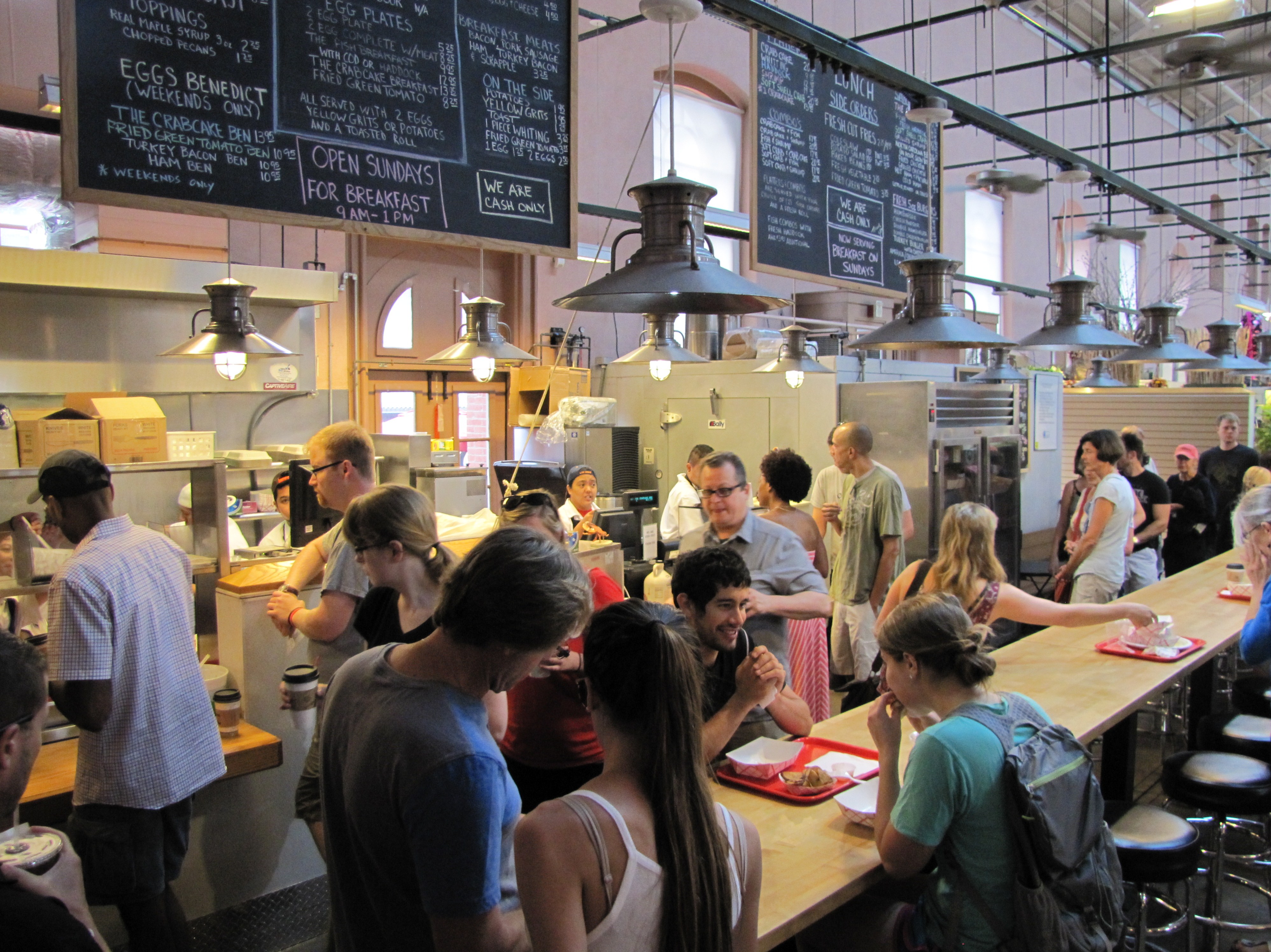
Market Lunch, Eastern Market, 10:00am Sunday Morning

Market Lunch, Eastern Market, 10:00am Sunday Morning

The Week Ahead…..ANC6a Committees Take Center Stage

by Larry Janezich

Monday, August 18

ANC6a Transportation  & Public Space Committee meets at 7:00pm at Maury Elementary, 1250 Constitution Ave NE (enter from 13th St. NE). 

Among items on the agenda:

Public space application for sidewalk café at 1380 H Street NE, Oh Zone Lounge, formerly the Ohio Restaurant;

Request for information from Department of Public Works (DPW) concerning

process for requesting public litter cans at and around the intersection of 12th and K Streets, NE;

Request for District Department of Transportation (DDOT) to conduct assessment

of traffic conditions and drainage/cleanliness related to the alley between the 1200 block of Wiley Street, NE, and H Street, NE, and the alley just north of the 800 block of H Street NE;

Request for DPW to address concerns about vacant city owned property at 802 10th Street, NE,  including frequent illegal parking;

ANC6a’s Community Outreach Committee meeting, normally would meet August 18, but has been rescheduled for 7:00pm, Monday, August 25 at Maury Elementary School. 

Tuesday, August 19

ABC6a Alcohol Beverage Licensing Committee meets at 7:00pm, Sherwood Recreation Center, 10th and G Streets, NE;

Among items on the agenda: 

Restaurant liquor license renewal for Kitty’s Saloon (formerly Souk) at 1208 H Street, NE;

Restaurant liquor license renewal for Ocopa (formerly Chicken Tortilla) at 1324 H Street NE;

Presentation by new owner of 1123 H Street NE (formerly XII Restaurant and Lounge) regarding license transfer and future plans.

Wednesday, August 20

Economic Development and Zoning Committee meets at 7:00pm, in Sherwood Recreation Center, Corner of 10th and G Streets, NE.

Among items on the agenda:

Special exception to permit a two story garage addition with second floor apartment at 1229 F Street, NE;

Special exception to permit a one story rear porch addition at 1419 F Street, NE;

Consideration of possible violation of zoning code in connection with new construction of a three-story single-family dwelling in R-4 district on 825 square-foot lot;

Discussion of seeking designation as a blighted and or vacant tax status for 1000 C Street, NE

Thursday, August 21

Police Service Area (PSA) 108 public meeting, 6:30pm, First Baptist Church, 527 Kentucky Ave SE.


Comments Off on The Week Ahead…..ANC6a Committees Take Center Stage

Filed under Uncategorized

The Hine Project: Part 1 – How It Happened: DMPED, Stanton/Eastbanc, Local Politics, and Tommy Wells

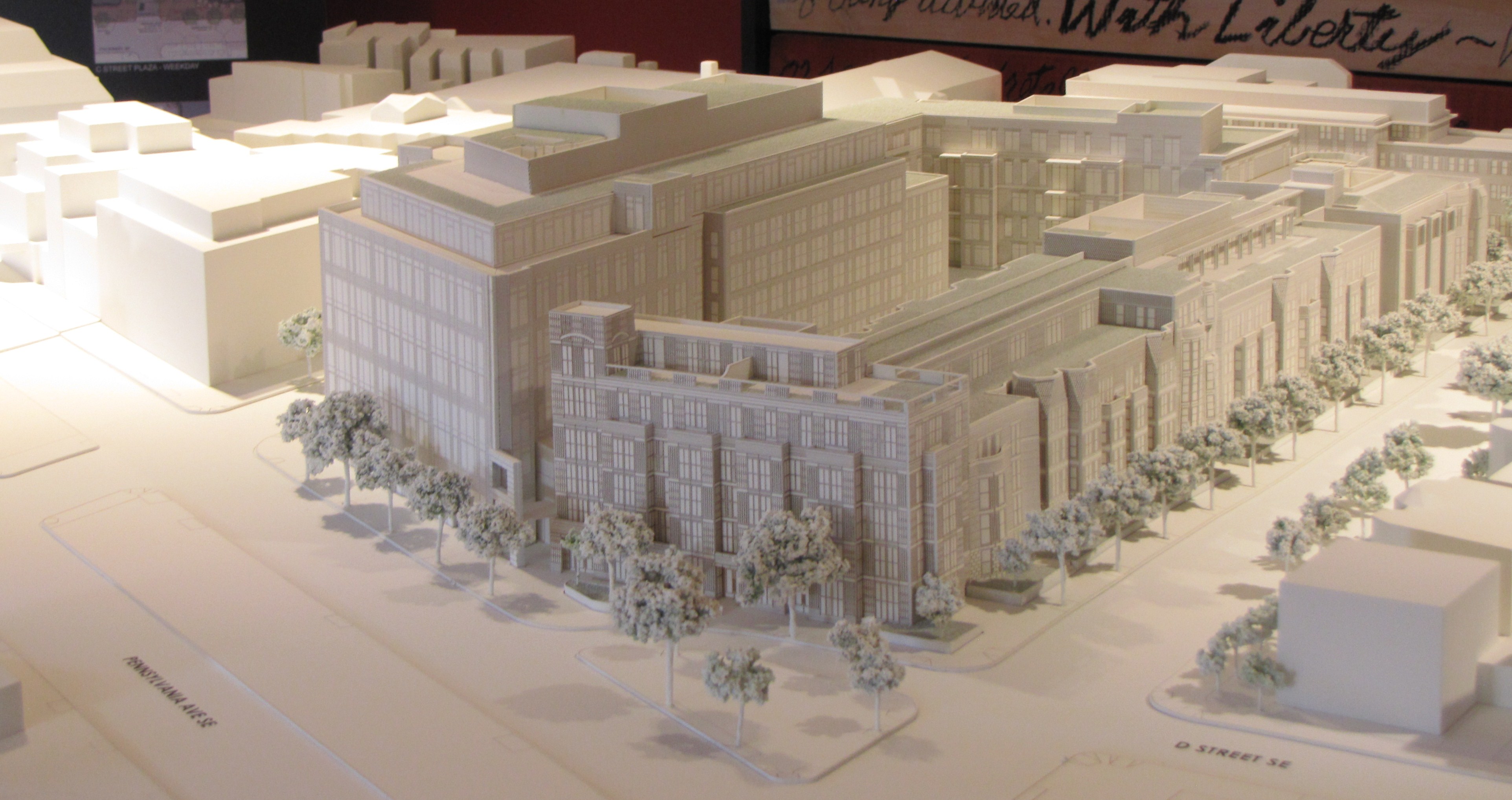
Developer's 3-D Model of the Proposed Hine Development

View of Developer’s 3-D Model of the Proposed Hine Development Looking Northwest

The Hine Project: Part 1 – How It Happened

DMPED, Stanton/Eastbanc, Local Politics, and Tommy Wells

Editorial by Larry Janezich

The Hine Project has been a case study of how the city moves its development agenda forward,

attempting to provide tax revenues and jobs by granting developers favorable terms while paying lip service to the citizens and residents adversely affected by development.  In some ways, it is a study in the failure of the political process.

From the beginning the city-developer public-private partnership on the Hine process has been characterized by manipulation, dissembling, conflict of interest, and a cozy relationship between city officials and Stanton East Banc (SEB).

Specifically:

  • The city’s Request for Proposals (RFP) from developers, including the priorities it articulated, served as poor guide to deduce what Deputy Mayor’s office for Economic Development (DMPED) ultimately wanted from the project;
  • Stanton Development launched a letter-to-DMPED writing campaign among family, friends, and clients to manufacture the appearance of a community consensus supporting the Stanton East Banc proposal, and DMPED counted this effort as legitimate support, going so far as to cite it as one reason for SEB’s selection (see here: http://bit.ly/1AjyLBE);
  • Early in the selection process – at various points – the Stanton East Banc proposal included as prospective components of the project: the Shakespeare Theater, a boutique hotel, a charter school and a large non-profit – all of which ultimately fell away;
  • CHRS, disposed to favor the familiar and local SEB (Stanton Development’s Kitty Kaupp is a substantial financial supporter of CHRS), gave SEB its perfunctory endorsement based upon the recommendation of five CHRS board members selected by and including former CHRS President Dick Wolf. The group held one meeting, in private, and the first and primary justification of their recommendation in favor of SEB as stated in the subcommittee report was:  “We all know Amy Weinstein will listen to the community and will have a superb design.  We should be most comfortable with this team and be able to negotiate with it in the future.”  The CHRS Board accepted the recommendation and agreed to it without debate or discussion, and that recommendation was then represented to and construed by the city as speaking for hundreds of CHRS members [editor’s note: I resigned as editor of the CHRS newsletter over this failure in process];
  • East Banc brought in former City Council Committee staffer Joe Sternlieb and former member of the Board of Directors of the District of Columbia’s Housing Finance Agency Buwa Binitie (who was made a partner in the Hine project) to steer the project through the bureaucratic process and Low Income Housing Tax Credit process respectively, illustrating the “revolving door” which characterizes and undermines so much in city governance;
  • Overlapping membership in local civic and business organizations, including CHRS, EMCAC, Capitol Hill BID, BRMS, and The Capitol Hill Foundation provided a strong coalition of special interest groups which supported SEB, giving the appearance of broad neighborhood endorsement without corresponding substantial grassroots support;
  • EMCAC justified their support of the Stanton East Banc proposal by citing the promise of parking for Eastern Market and space for the flea market (both of which ended up much less than originally proposed);
  • DMPED endorsed Stanton East Banc as the developer;
  • Subsequent negotiations between DMPED and SEB led to a Council Term Sheet and Land Disposition and Development Agreement (LDDA) that favored the developer, providing for a ground lease at bargain basement prices and community benefits paid for by the taxpayer rather than the developer;
  • DMPED subsequently arranged a transfer of part of the Hine property as an outright sale – also at bargain basement prices. This north parcel, it was suggested, would be for the construction of townhouses which would allow Stanton East Banc to sell the townhouses outright, an advantage to them in seeking financing;
  • Councilmember Tommy Wells responded to requests for his intervention prior to City Council disposition of the Hine site that the place to challenge height and mass issues would be during the Zoning Commission’ Public Unit Development (PUD) process;
  • The Greater Greater Washington crowd, waving the flags of “new urbanism” and promoting a “livable, walkable city” with greater density near transportation hubs fell into line, and began their hectoring campaign in support of Councilmember Tommy Wells and SEB, promoting greater density near Metro as desirable without acknowledging that Capitol Hill is, as Ken Jarboe wrote in a comment on a February 29, 2012, CHC post, that the Comprehensive Plan notes the “Hill is already one of the densest areas in the District of Columbia.”
  • The City Council rushed approval of the deal through in the final days before the August 2010 recess – with then-Chair Kwame Brown saying that the CHRS endorsement was a deciding factor for him, citing the endorsement of the full 1,000 strong CHRS membership;
  • HPRB – openly deferential to Stanton East Banc architect Amy Weinstein (a former HPRB Board Member) – approved the massing, height and design dismissing the objections raised by ANC6b in public hearings and despite serious reservations expressed by a new HPRB board member – respected architect Graham Davidson –  who called for taking a floor off the project and a redesign of the Pennsylvania Avenue façade;
  • When prodded again by residents to intervene on behalf of the community in the case of Hine, at a meeting of over 200 residents and one of the largest community meetings in recent memory on Capitol Hill, Councilmember Wells turned over responsibility for negotiating details of the Public Unit Development (PUD) on height, mass, benefits and amenities on the project to ANC6b, saying he would endorse whatever they approved;
  • Stanton Development again launched a letter writing campaign on behalf of the project when the plans went before the Zoning Commission in 2012, with most of the letters of support for the project coming from those who had some business relationship with the developer (see here http://bit.ly/1nW4SyP);
  • The Office of Planning assured interested civic organizations during meetings to explain the PUD process that hiring counsel was unnecessary to successfully press their interests;
  • On June 13, 2012, a divided ANC6b endorsed the Hine Project’s PUD agreement by a vote of 6-4, with Commissioners Brian Pate and Ivan Frishberg – the two ANC6b Commissioners who represented the Commission before city agencies and who negotiated the final design and public benefits package on behalf of ANC6b – supporting the project;
  • CHRS gave up the fight to improve the project early on. Despite having spent $20,000 to fight the addition of a comparatively trivial third story to the Heritage Foundation building at 227 Pennsylvania Avenue, SE – (spearheaded by then CHRS Historic Preservation Committee Chair Nancy Metzger, now a board member of HPRB) – CHRS didn’t spend a dime to improve the design of the Hine project or even ask for party status before the Zoning Commission despite registering strong reservations and insisting on design changes for the project when testifying before the Zoning Commission;
  • The Zoning Commission approved the Hine PUD process after a public review which was remarkable to this observer for revealing commissioners who were ill prepared, ill informed, and ready to defer to the judgment of other city agencies;
  • Super-lobbyist, Hine partner, and Jeffrey Thompson-associate David Wilmot pressured the Mayor’s office to close quickly with SEB on the Hine project, despite reservations from the Mayor’s office regarding departure from routine procedure;
  • The Hine deal was closed and the land transferred to SEB on July 12, 2013, after DMPED agreed to separate the land closing from the financial closing, and delay the latter until financing could be obtained;
  • On June 28, 2013, the Hine Coalition, a group of Capitol Hill residents appealed the Zoning Commission’s approval of SEB’s plan for the Hine project to the DC Court of Appeals, on the basis of incompatible scale and density and as being inconsistent with the DC Comprehensive Plan – which states that mixed use buildings in areas such as the Hine site “generally do not exceed five stories in height”. The group’s attorney, Oliver Hall, attempted to require DMPED to fully comply with the Freedom of Information Act regarding documents related to the Hine project.  Such documents as were finally made available by DMPED at the order of the Mayor’s office revealed the extent to which political pressure was brought to bear on DMPED to expedite the closing process to avoid the necessity of the City Council extending (again) the closing deadline;
  • On August 14, 2014, the DC Court of Appeals affirmed the decision of the Zoning Commission. The decision seems to legitimize the Zoning Commission’s decision to defer to other city agencies, minimize careless inconsistencies in the Zoning Commission’s report, and reaffirm the court’s practice of not considering questions which have been raised for the first time in the appeal.

One question which the decision seems to open up is whether developer can convert the affordable housing in the project’s North Building to market value housing after 40 years – assuming the project lasts that long.  The developer’s plans anticipate exemption from some of the restrictions in Inclusionary Zoning (affordable housing) Program, but the court decision seems to indicate that the exemption is contingent on the affordable housing being maintained for as long as the project exists.  Finally, the decision endorses the ZC’s contention that the ZC has no responsibility to rule on whether the project is a good deal for the city.

City agencies define the city as “city government” – which in the District appears to mean the elected officials and the financial interests that make it possible for them to get elected.  To the bureaucracy, the city does not mean the communities, neighborhoods, and residents of which the city is comprised.

​When astro-turfing replaces grassroots and when the voices of residents who invested here before it was fashionable are dismissed by city officials ​and lost in the chorus of ​those calling for greater density, more economic development, and greater opportunities for high end consumption, disequilibrium is the inevitable result.  And when progress is defined in these terms, it comes at the expense of community values, its integrity and connectedness, and the sense of place that too many of us have taken for granted.

Next:  Part 2 – The Hine Project: What We Lost – DC as A Developer’s City

56 Comments

Filed under Uncategorized